Greener Pipes, Lower Bills: How Plumbing Services Support Water and Energy Savings
A room-by-room look at how plumbing work saves water and energy: fixing leaks, efficient fixtures, water heater care, insulated pipes and outdoor use.
2 min
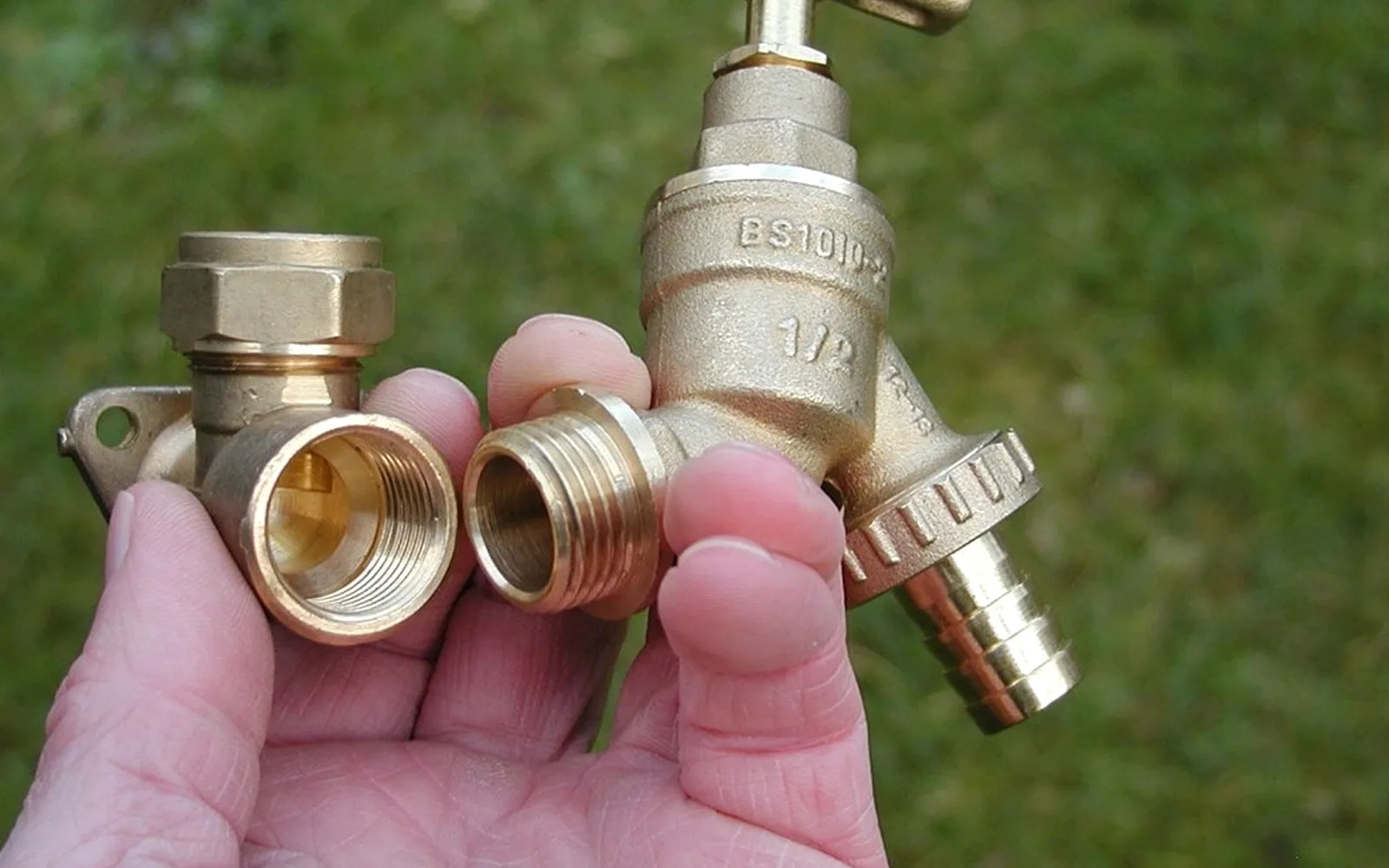
Water bills and energy bills are more closely linked than they look. Every litre of hot water used for a shower or the dishwasher has to be heated first, so a dripping hot tap wastes power as well as water. For a household hoping to trim costs and waste less, the pipes, taps and heater are therefore a sensible first target. Plumbing services, like https://realgoodvalue.com, bring the tools and know-how to find where water and heat are slipping away and to put efficient fixes in place.
The bathroom: the biggest user
Showers and toilets account for a large share of household water use, so small changes here add up.
- Showerheads: modern low-flow designs mix air with water to keep pressure feeling strong while using less.
- Toilets: dual-flush mechanisms or efficient cisterns reduce water per flush; a worn flapper can leak silently for months.
- Taps: aerators are inexpensive and easy to fit, and fixing a dripping washer stops a steady waste.
A simple test for a leaking toilet is to add a few drops of food colouring to the cistern and see whether colour appears in the bowl without flushing.
The kitchen and laundry
Efficient dishwashers and washing machines use less water and heat than older models, and correct installation matters: badly fitted connections are a common source of slow leaks behind appliances. A plumber can also check that the hot water reaches the kitchen tap quickly. Long, uninsulated pipe runs mean cold water is wasted every time someone waits for it to warm up.
The water heater: where energy goes
Heating water is often one of the larger energy costs in a home. Several measures help:
- Set the thermostat to a sensible temperature that still meets safety guidance against bacteria.
- Flush tank heaters periodically to clear sediment that makes them work harder.
- Insulate hot water pipes, especially where they pass through cold spaces.
- When replacing, compare efficient options such as heat pump or on-demand units, depending on the home and local conditions.
A recirculation system or a better pipe layout can deliver hot water faster in larger houses, cutting both waiting time and waste.
Outside and hidden spaces
Garden taps, irrigation lines and pipes in crawl spaces are easy to forget. Leaking connections, broken sprinkler heads and pipes that freeze and crack in winter can waste far more than an indoor drip. Where local rules allow, rainwater collection for the garden or greywater reuse can reduce the demand on mains water. Regular checks of the water meter while nothing is running are a quick way to spot hidden leaks anywhere in the system.
Making a plan
A sensible approach is to book an inspection, list the findings from quickest to most involved, and tackle them in order: leaks first, low-cost fixtures next and larger upgrades such as a new water heater when the old one nears the end of its life. Each step lowers bills a little, and together they make the home more comfortable and less wasteful.
 How IPTV Delivers More Flexibility for Today’s Viewers
  The “BBL Jacket” Effect: Warmth, Proportion, and Everyday Styling
  Lawyer in Spain for Corporate Growth: From First Contract to Scalable Governance