Clearing a House and Garden Before Selling: Where to Start and What to Let Go
Preparing a house near Dachau for sale? How to work through the rooms, shed and garden, decide what stays for viewings, and when to call in a clearance service.
3 min
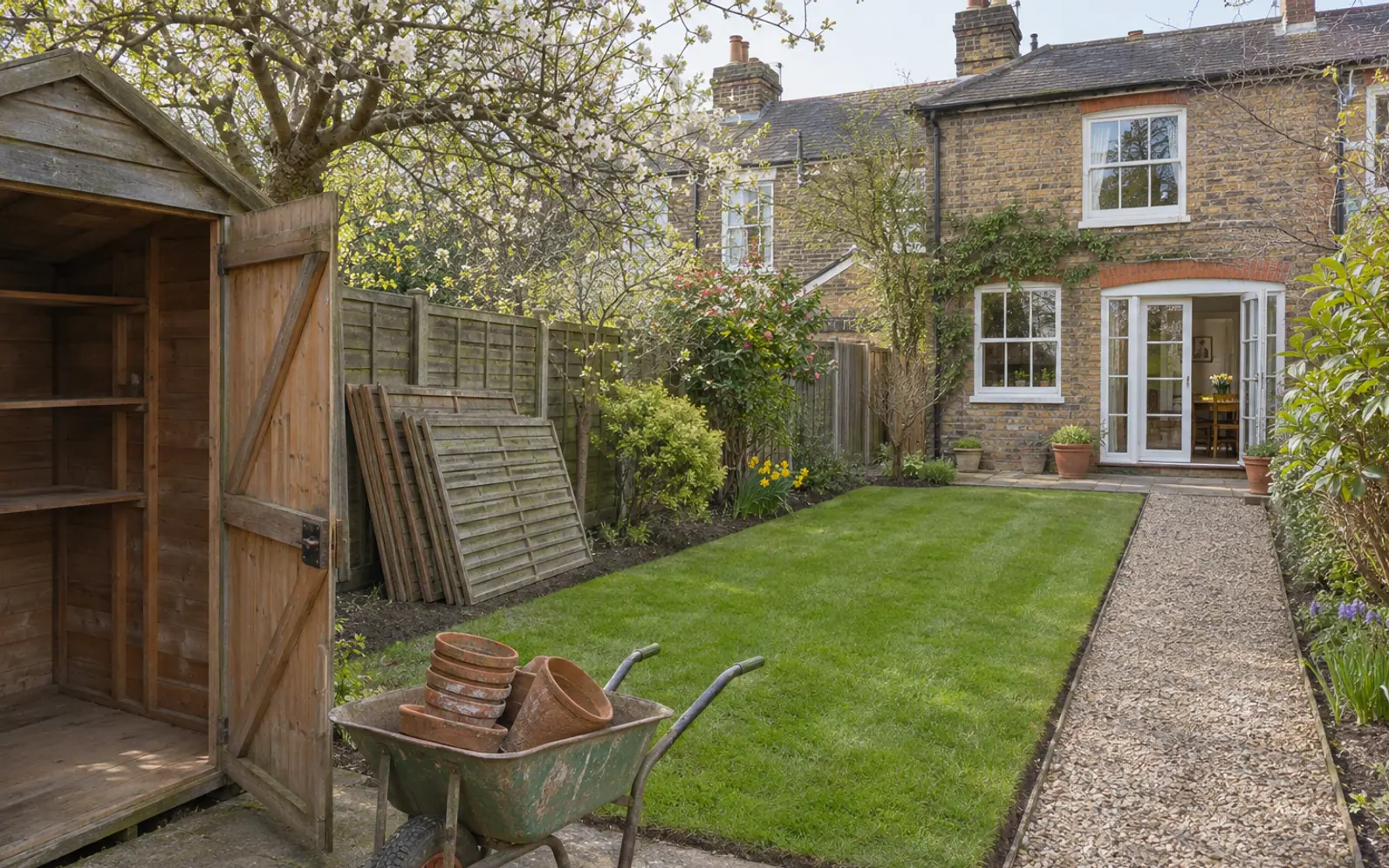
Decades in one house leave their mark in the nicest and most inconvenient ways. There is the rose planted the year the children were born, and also eleven cracked terracotta pots, a rusted barbecue and a garage that has not fitted a car since the nineties. When the time comes to sell, all of that needs a decision. Buyers want to imagine their own life in the place, and they cannot easily do that while stepping around someone else's. Clearing the property in stages keeps the task manageable, and it often turns out to be less emotional when done with a plan.
Begin outdoors
Most people start in the attic and run out of energy halfway. Try the garden instead. It is the first thing a visitor sees, results show up quickly, and there is usually less sentimental weight attached to a stack of old fence panels than to a box of letters.
Work through the plot in a loop. Empty the shed and greenhouse, gather stray pots and tools, and take down anything broken or rotting. Cut back overgrown shrubs, edge the lawn and clear the paths, so that the shape of the garden is visible again. Keep a few healthy planters by the door, since a little colour does more than a crowded patio. If there are plants you want to take with you, check the sale terms first, and take cuttings or pot them up well ahead of time.
Move through the house from the edges in
Storage areas should come next: attic, cellar, garage, and those under-stair cupboards where things go to be forgotten. Tackling them early matters because people viewing a home will open doors, and because the contents of these spaces are what tend to overwhelm a seller in the final weeks. Then move on to the rooms in everyday use, finishing with the kitchen and your bedroom, which you will need until the end.
Give each object one of these outcomes:
- New home: it has a spot and you can say where.
- Family and friends: offer it once, with a collection date.
- Sell or donate: furniture and garden tools in good order can find a second life.
- Dispose of: anything damaged, unsafe or simply beyond saving.
Leave enough furniture to tell the story
An empty room can look smaller and colder than one that is lightly furnished. Keep a few well-proportioned pieces in each space, clear the surfaces and remove about half of what sits on the shelves. Take down highly personal photographs, then let in as much daylight as you can. In the garden, a simple table and two chairs show a buyer where the morning coffee could go.
Know when to call for reinforcements
Some loads are simply too large for a family with a borrowed trailer, especially where a parent's home is involved or the sale date is close. Heavy furniture, a packed loft, a garden full of old materials: all of it takes time and has to end up somewhere suitable. In Dachau and nearby, Paultrans’ clearance service takes on homes and gardens, along with the disposal that follows, leaving you to focus on the items that matter to you. Remove anything precious beforehand, walk through the property with the team and agree exactly what is going.
Take your time with the meaningful things
Photographs, letters and heirlooms should not be sorted under deadline pressure. Box them separately, label the box and take it away from the house to go through later. Important papers, such as deeds, warranties and records of work done on the property, belong in their own folder, as a buyer or estate agent may ask to see them.
One last look from the pavement
When the work is finished, cross the road and look back, just as a stranger would. Sweep the path, clean the front door and straighten the planters. A house that has been cleared with care looks ready for its next chapter, and you get to leave having chosen what came with you.
 How to Choose the Perfect Wall Mural for Every Room in Your Hous
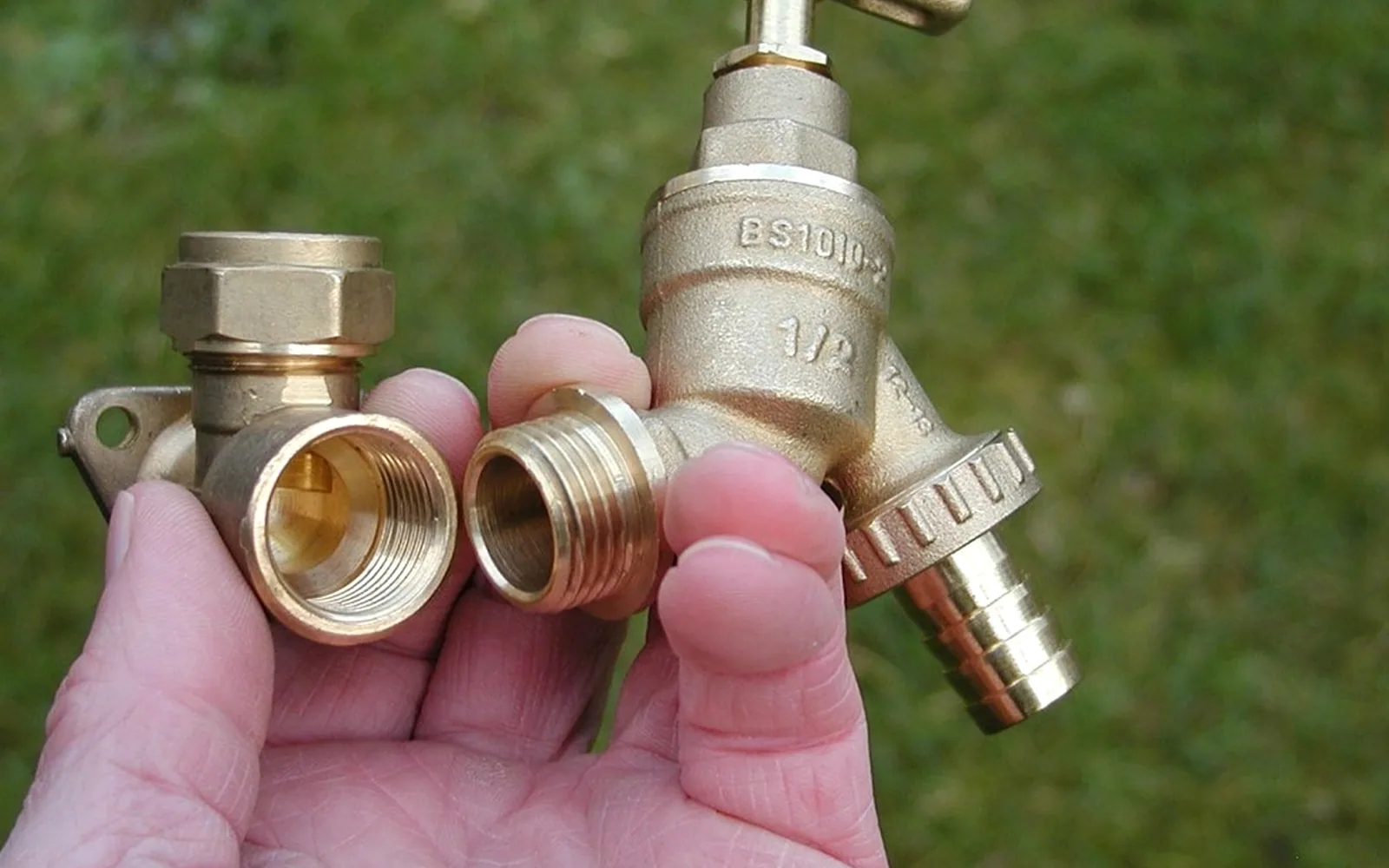 Greener Pipes, Lower Bills: How Plumbing Services Support Water and Energy Savings
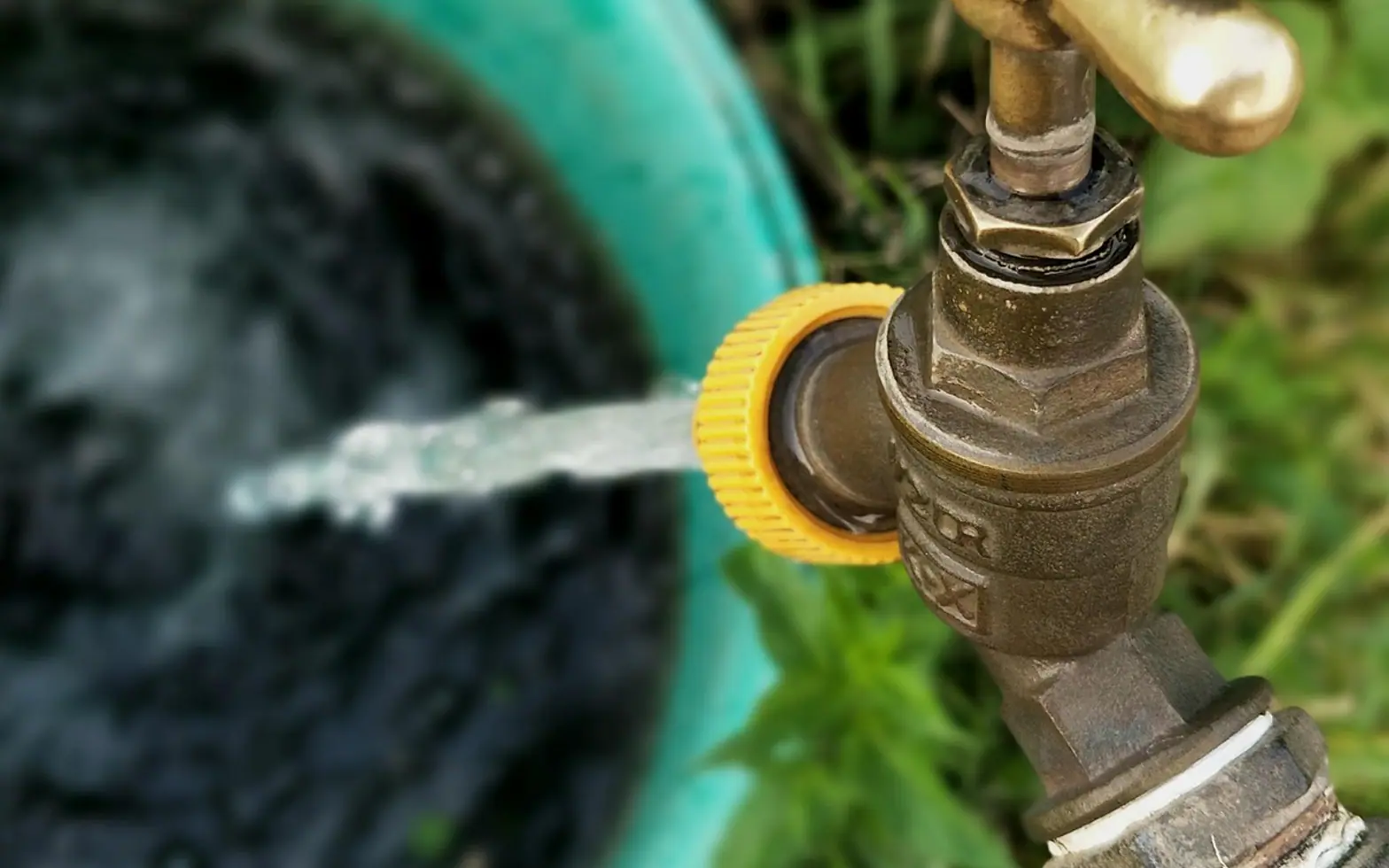 Smart Monitoring That Speeds Water Damage Restoration: From Early Leak Alerts to Safer Reopenings