How to Set a Table: Casual, Dinner and Formal Layouts
How to set a table for everyday meals, dinner parties and formal events: where cutlery, glasses and napkins go, plus simple tablescape ideas.
4 min
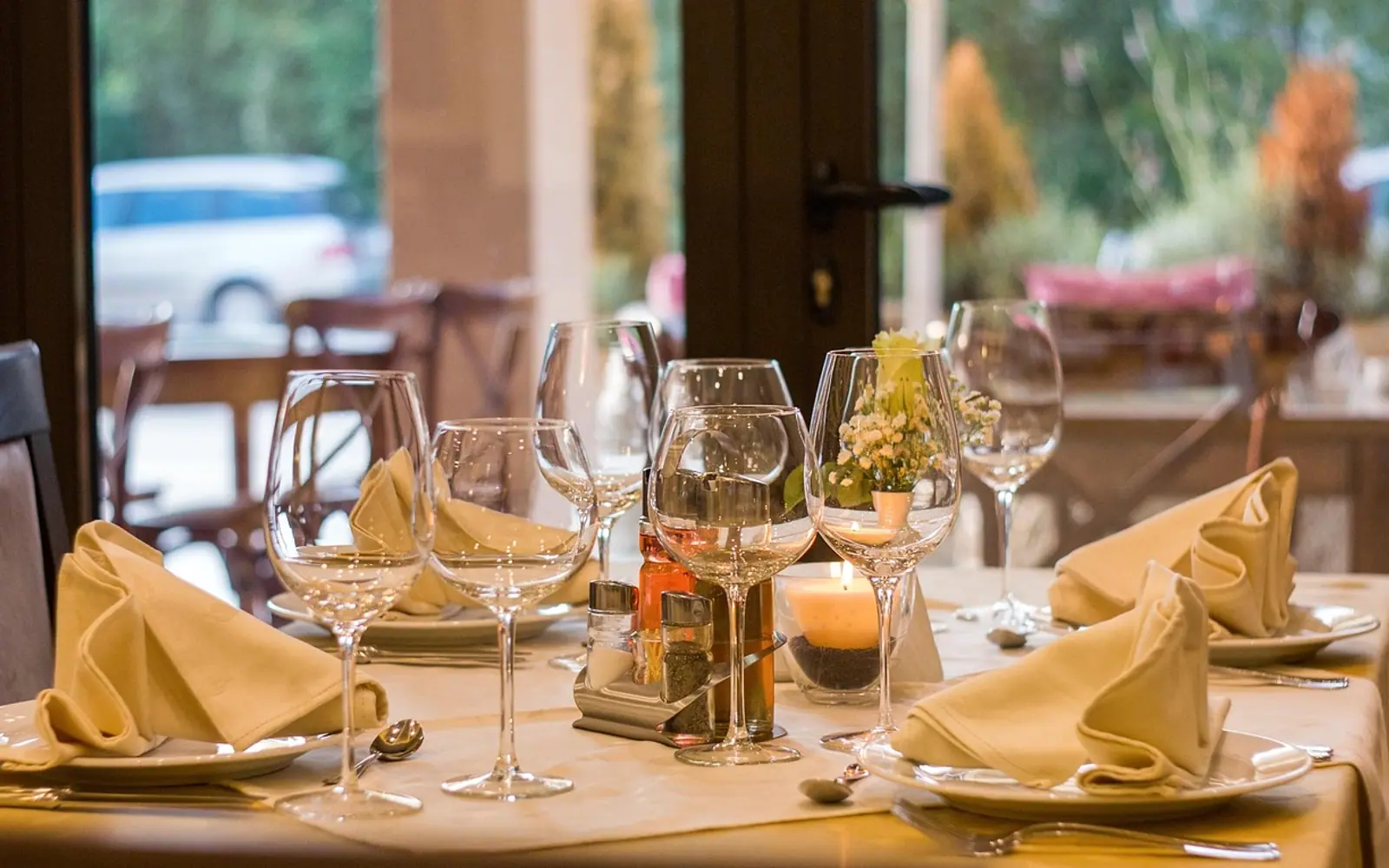
The basic rule is short: forks go to the left of the plate, knives and spoons to the right, with the knife blade facing the plate, and the drinking glass sits above the knife. Everything else, from bread plates to dessert spoons, builds on that pattern. Cutlery is laid in the order it will be used, working from the outside in toward the plate.
Knowing a few layouts makes hosting calmer, whether it is a weeknight supper, a birthday dinner or a long table at a family celebration.
A memory trick
Make an "OK" sign with each hand, touching thumb to index finger and holding the other fingers straight. Your left hand forms a lowercase b and your right hand a d. Bread goes on the left, drinks on the right. It is a handy, discreet way to work out which glass and side plate belong to you at a crowded table.
1. Casual table setting
For everyday meals and relaxed get-togethers.
- Dinner plate in the centre, about a thumb's width from the table edge.
- Fork on the left, resting on a folded napkin or beside it.
- Knife on the right, blade toward the plate; spoon to the right of the knife if needed.
- Water glass above the knife.
A placemat under the plate adds structure, but it is optional.
2. Dinner party setting
For a meal with a starter or salad, a main course and dessert.
- Plates: dinner plate in the centre, with a salad plate or soup bowl on top if that course comes first.
- Forks: salad fork on the outside left, dinner fork closer to the plate.
- Knife and spoon: dinner knife on the right, soup spoon outside it if soup is served.
- Bread plate: top left, above the forks, with a small butter knife laid across it.
- Glasses: water glass above the knife, wine glass to its right and slightly lower.
- Dessert cutlery: laid horizontally above the plate, the spoon handle pointing right and the fork handle pointing left beneath it. Alternatively, bring it out with dessert.
- Napkin: on the plate or to the left of the forks.
3. Formal table setting
For weddings, milestone anniversaries and similar occasions. The principles are the same, with more pieces.
| Position | What goes there |
|---|---|
| Centre | Charger (service plate), with each course's plate placed on top in turn |
| Left, outside in | Fish fork if needed, salad or starter fork, dinner fork |
| Right, outside in | Soup spoon, fish knife if needed, starter knife, dinner knife |
| Upper left | Bread plate with butter knife |
| Above the plate | Dessert spoon and fork, place card |
| Upper right | Water glass, then glasses for each wine or sparkling wine in order of service |
A common rule of thumb is no more than three pieces of cutlery on each side at once; extra pieces are brought in with their course. If a toast is planned, the sparkling wine glass usually sits within easy reach. Thinking about what goes in it ahead of time pays off, and questions to ask when ordering champagne online cover the sustainability side of that choice.
Tablescape ideas
Once the place settings are right, the rest of the table sets the mood.
- Keep centrepieces low. Flowers and candles should sit below eye level so guests can see and talk across the table.
- Use a runner to define the centre of a long table; linen, a length of fabric or greenery laid straight on the cloth all work.
- Choose unscented candles near food, so fragrance does not compete with the meal.
- Bring in the season: autumn branches, small gourds or citrus in winter add colour without much cost.
- Add place cards for groups of eight or more. They solve seating questions and can match the style of your handmade invitation cards.
- Leave room for serving dishes if food will be passed around, rather than filling every gap with decoration.
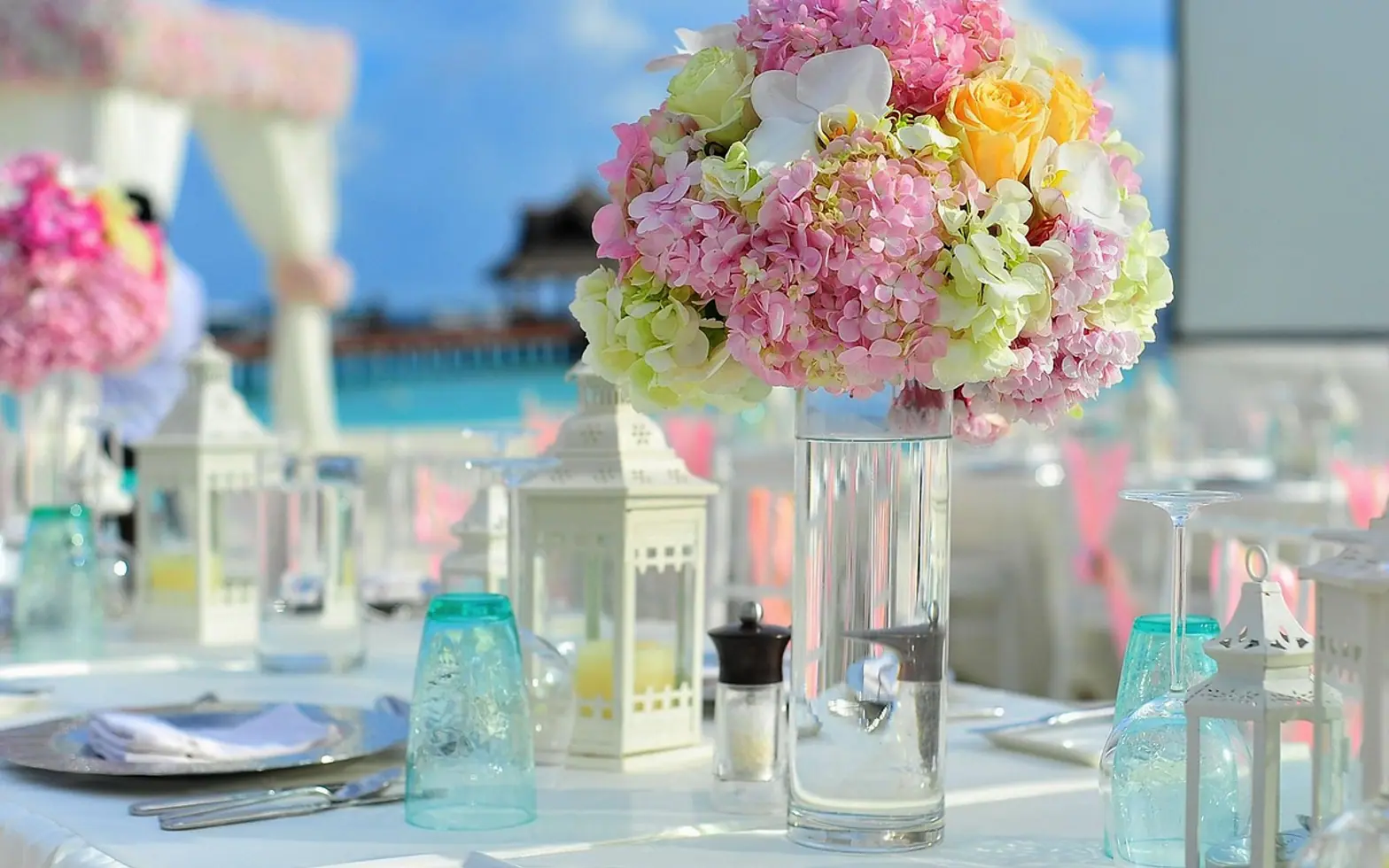
Larger events bring their own planning questions, from the layout of the room to the feel of the reception; creative ideas for a wedding reception show how the table fits into the bigger picture. When tables, chairs and linens are hired rather than owned, read the agreement carefully before the day, as explained in this guide to rental contracts.
Finishing touches hosts often overlook
- Allow roughly 60 cm (about 24 inches) of table width per guest so elbows do not collide.
- Line up the bottom edges of plates and cutlery for a tidy look.
- Set the table well before guests arrive; it is one less job when the doorbell rings.
- Check that chairs fit under the table edge before deciding on seating numbers.
Questions hosts ask
Which side does the napkin go on?
Traditionally on the left, beside the forks or under them, or folded on the plate. In a formal setting it is usually placed on the charger.
Do I need to set dessert cutlery at the start?
Not necessarily. Laying it above the plate looks finished at a dinner party, but bringing it with dessert keeps the setting simpler.
What if I do not have matching tableware?
Mixed plates and glasses can look charming when something ties them together, such as a single colour, a consistent napkin or the same candles along the table.
 Personalized Digital Birthday Invitations: A Fun and Memorable Way to Celebrate
  Creative Concepts to Make Your Wedding Reception Stand Out
  DIY Engagement Ceremony Invitation Cards: Tips and Tricks