What Is a Slasher Film? The Horror Subgenre Explained
What is a slasher film? The horror subgenre built on a masked killer, a group picked off one by one and a final survivor, with its roots, rules and key films.
3 min
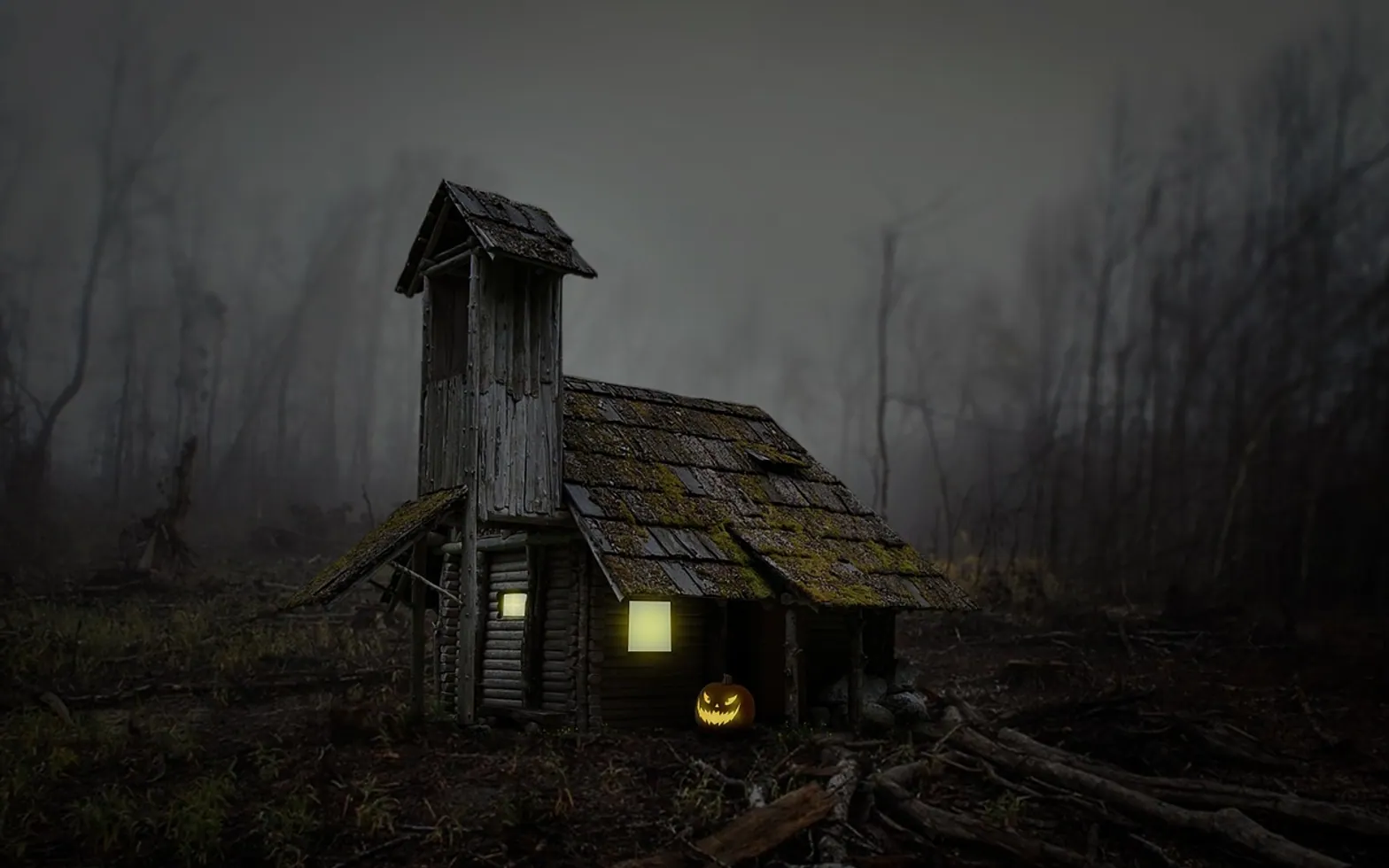
Somebody suggests splitting up to look for the missing friend. Everyone on the sofa groans, because everyone knows what happens next. That shared groan is the slasher film in a nutshell: a horror subgenre so recognisable that audiences can predict its moves and still jump when they arrive.
A slasher film is a horror movie in which a single killer, usually masked or otherwise hidden, stalks and murders a group of people one at a time, often with a blade or another close-range weapon, until one survivor confronts them. The tension comes less from mystery than from waiting: the viewer often sees the threat before the characters do.
The ingredients
- A distinctive killer. A mask, a costume or a silhouette that becomes the film's image. Many have a backstory tied to a past wrong or trauma.
- An isolated setting. A summer camp, a small town on a holiday weekend, a house or a campus emptied for the night.
- A group of potential victims. Usually teenagers or young adults, sketched quickly so the audience can tell them apart.
- The body count. Deaths are spaced through the running time, each set piece built around suspense and a sudden release.
- The final girl. A term popularised by the film scholar Carol J. Clover for the last survivor, often a watchful, resourceful young woman who outlasts her friends and turns on the killer.
- The point-of-view shot. The camera sometimes takes the killer's position, making the viewer an uneasy accomplice.
Where it came from
The slasher grew out of several older strands. Hitchcock's Psycho and Michael Powell's Peeping Tom, both from 1960, brought the hidden killer and the voyeuristic camera into mainstream cinema. Italian giallo thrillers of the 1960s and 1970s added black-gloved killers and stylised murder scenes. Black Christmas (1974) and The Texas Chain Saw Massacre (1974) sharpened the formula, and John Carpenter's Halloween (1978) turned it into a template that a wave of imitators followed.
| Phase | What changed | Typical examples |
|---|---|---|
| Precursors (1960s–early 1970s) | Hidden killers, voyeurism, stylised violence | Psycho, Peeping Tom, Italian giallo |
| Classic cycle (late 1970s–1980s) | Masks, holidays, camps, long-running franchises | Halloween, Friday the 13th, A Nightmare on Elm Street |
| Self-aware revival (1990s) | Characters who know the rules and talk about them | Scream and its followers |
| Legacy era (2000s onwards) | Remakes, returning survivors, comic and time-loop variations | Franchise relaunches and genre mash-ups |
Slasher, thriller or horror?
A slasher is a branch of horror, not a synonym for it. Ghost stories, creature features and possession films are horror without being slashers. The line with thrillers is blurrier. Where a slasher keeps the menace physical and outside the characters, a psychological thriller and its unreliable narrators locate the danger in perception, memory and manipulation. A whodunit-style slasher such as Scream borrows a mystery structure, inviting viewers to guess who is behind the mask.
Why the formula keeps returning
Slashers are relatively cheap to make, easy to explain in a sentence and built for sequels, because a killer who cannot quite die can always come back. That is also why so many of them have been relaunched; the difference between picking up an old timeline and starting again from scratch is set out in the explainer on reboots, remakes and legacy sequels. Each new cycle tends to comment on the last one, whether by mocking its clichés, giving the final girl a life after the credits or switching the point of view to the killer.
Planning a slasher night
- Watch one classic and one modern entry back to back to see how the rules have shifted.
- Check age ratings and content warnings first; many slashers carry adult ratings for strong, bloody violence.
- Keep the lights low but not off, and the sound up, since much of the tension is built through music and silence.
- Catch-up and on-demand libraries make it easier to line up a whole franchise, much as described in the piece on multilingual TV choice for Belgian viewers, where subtitles and audio tracks also help mixed-language groups watch together.
 What Is a Psychological Thriller? How the Genre Plays With Your Mind
 What Is a Buddy Movie? The Mismatched-Pair Formula Explained
 How IPTV Offers More Freedom for Belgian TV Lovers