IPTV in the Netherlands: Affordable, High-Quality Streaming for Modern Viewers
Getting good IPTV picture quality in a Dutch home: broadband, router placement, devices and settings that keep streams sharp without paying for extras.
2 min
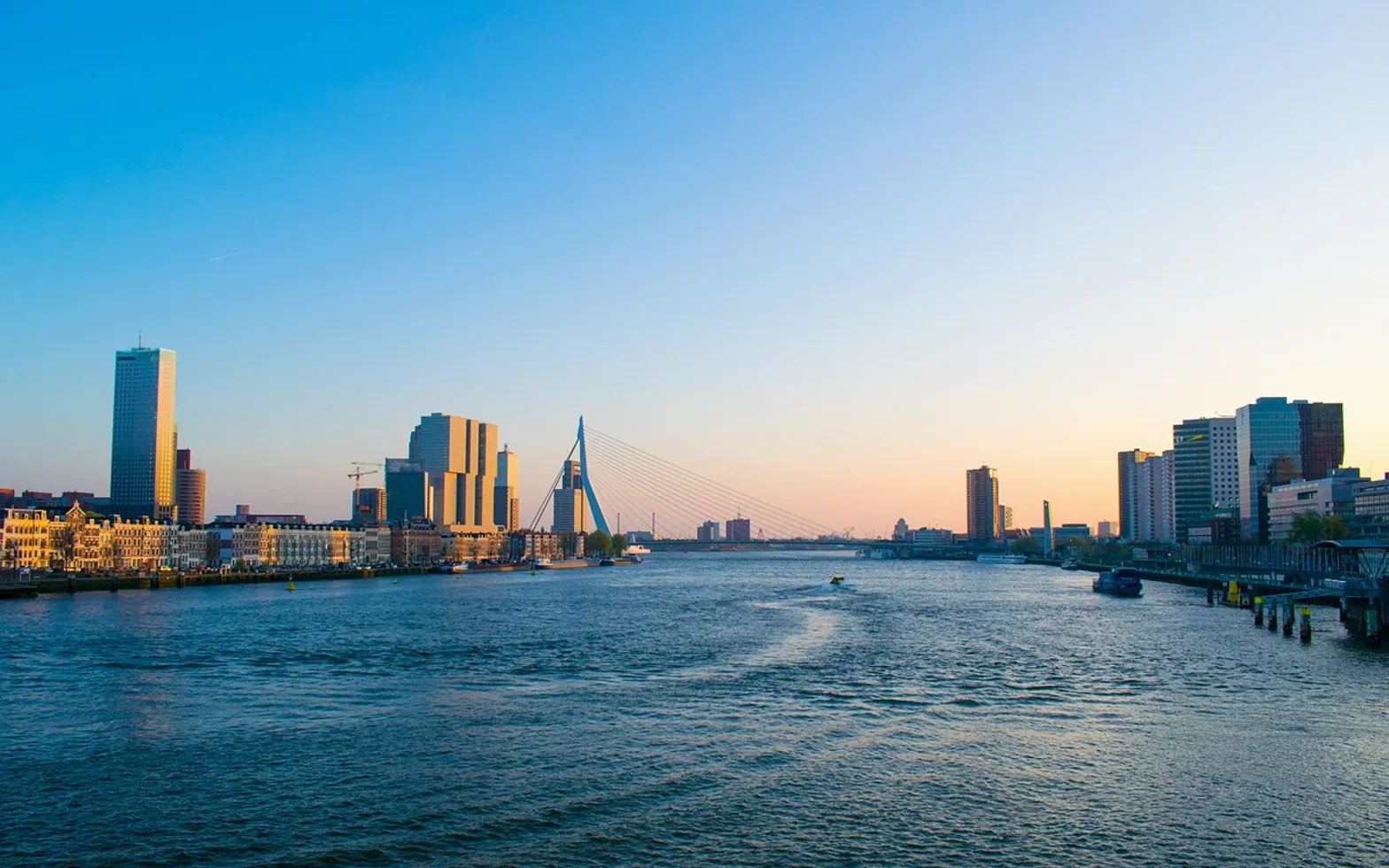
The Netherlands is a country of fast connections and compact homes, which sounds like the perfect setting for internet television. Yet plenty of viewers still see blurry football, frozen frames during the news or a spinning circle at the worst moment of a thriller. Most of the time the cause is not the service itself but a handful of small details in the home setup. Getting those right is the cheapest way to turn an affordable subscription into a genuinely high-quality one.
Begin with the connection, not the channel list
Whether a home uses fibre, cable broadband or DSL, the stream is only as stable as the weakest link between router and screen. Measure your speed after dinner, when the whole street is streaming, and do it in the room where the television stands rather than next to the router. If the result drops sharply, the issue is distance or walls, not the subscription. Many Dutch houses have long, narrow layouts with the router in the hallway meter cupboard, which is exactly where wireless signals start to struggle.
Five practical upgrades that cost little
- Use a cable where possible. An ethernet lead to the main television is often the single biggest improvement.
- Try powerline adapters when a cable cannot be laid across rooms; they carry data through the electrical wiring.
- Add a mesh access point for upstairs bedrooms instead of relying on one router for the whole house.
- Keep apps and firmware updated on the smart TV or streaming stick.
- Reduce background traffic by pausing large downloads and cloud backups while watching.
Choosing a service that matches your screens
Once the home network is in good shape, the choice of provider comes into focus. Look for clear information on supported devices, maximum resolution and how many streams may run in parallel. Viewers comparing options such as goedsmarterspro tend to look at exactly those points, together with the balance of Dutch channels, international programming and on-demand films, to find a package that matches both their budget and their screens.
Dutch viewers do well to favour companies holding the rights to distribute their channels in the country, and to read the terms on contract length and cancellation before paying.
Settings that make a visible difference
Inside the app, check whether the quality is set to automatic or fixed. Automatic adjusts to the connection and avoids freezing, while a fixed high setting can look sharper on a strong network but stall on a weaker one. On the television itself, switch off heavy motion smoothing if sport looks artificial, and choose a picture mode such as "film" or "calibrated" for evening viewing. Audio is worth a look too: routing sound to a soundbar or decent speakers often improves the experience more than another step up in resolution.
None of these steps requires technical expertise or a large budget. A tidy network, the right device and a few minutes in the settings menu are usually enough to make modern streaming look the way it was meant to, from Sunday football to a late-night series.
 Reboot vs Remake: How Prequels, Sequels and Spin-Offs Differ
  What Is a Psychological Thriller? How the Genre Plays With Your Mind
  What Is a Buddy Movie? The Mismatched-Pair Formula Explained