Innovative Recycling Solutions through Container Rental Services
How rented skips and containers turn renovations, garden clear-outs and events into sorted recycling streams, from planning to sensor-equipped bins.
2 min
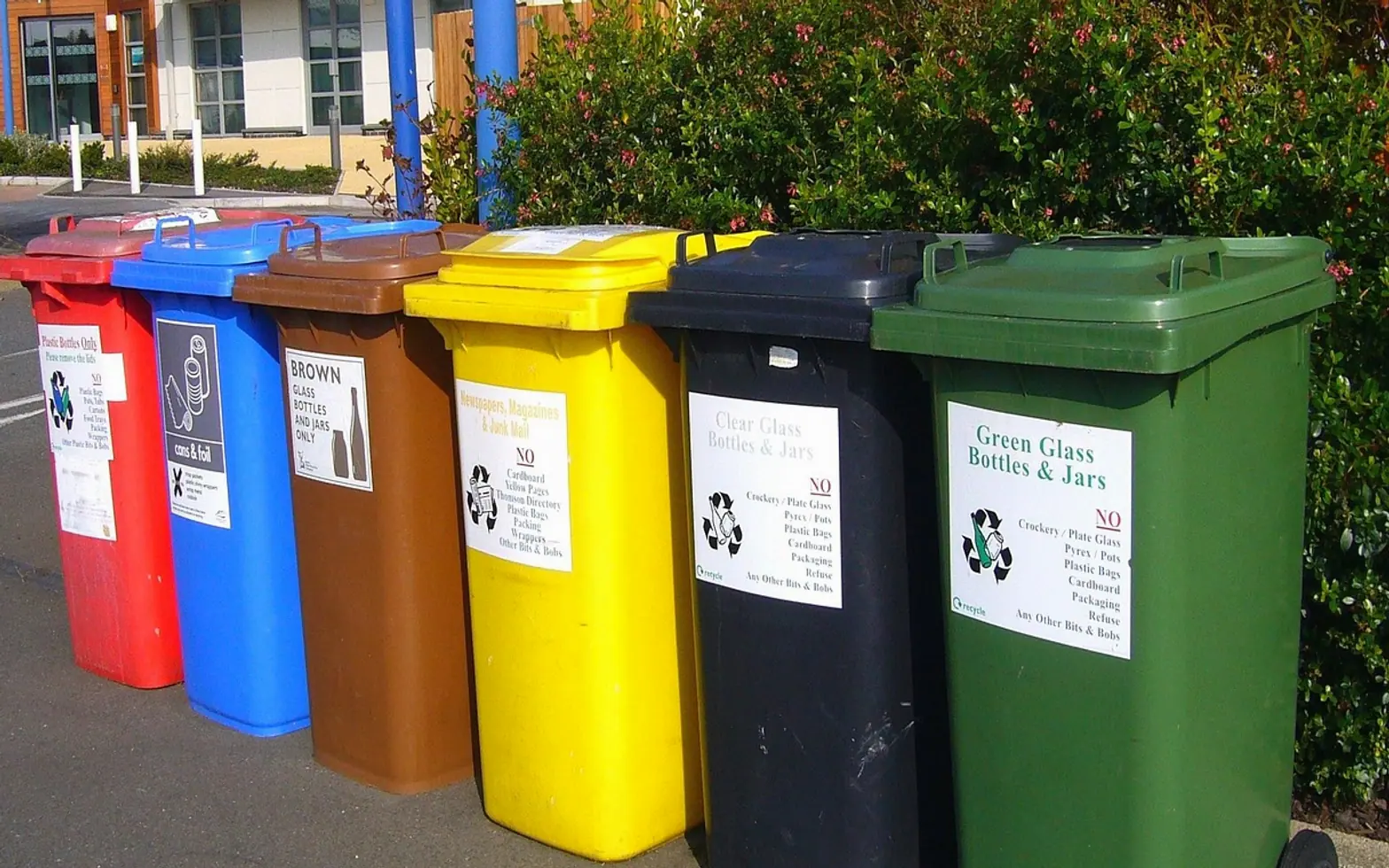
Picture a kitchen renovation on a Saturday morning. Old cupboards come off the wall, tiles crack loose, cardboard from the new units piles up in the hallway, and by lunchtime the drive looks like a small landfill. The moment that mess goes into one big skip, most of it is lost as a resource. Put it into the right containers instead, and much of it can be turned back into something useful. That simple shift is why rental containers have quietly become one of the more practical recycling tools around.
Separate streams from the start
Materials that never get mixed are far easier to recycle. Rental services now offer separate containers for rubble, untreated wood, green waste, metal, cardboard and mixed household items. Each stream stays cleaner, so sorting plants spend less effort separating it and more of the material can be reused. For a homeowner this mostly means a little planning: knowing which stages of a project create which kind of waste, and timing deliveries so the right container is on site at the right moment.
Planning a project around the containers
- Strip-out phase: heavy, mineral waste such as concrete, bricks and tiles goes into a smaller, sturdy container.
- Rebuild phase: offcuts of timber and packaging dominate, so a wood or cardboard container earns its place.
- Garden and finishing: soil, hedge cuttings and leftover plants can usually be handled as green waste.
Local knowledge helps here. Residents and small firms in the Rhine-Main area often compare Containerdienst Hanau preise to see which sizes and material types fit their plans, and a clear overview of options makes it easier to book exactly what a project needs instead of one oversized skip for everything.
Smarter containers and better data
Some providers have started to equip containers with sensors that report how full they are. That sounds like a gadget, but it changes the logistics: collections can be scheduled when a container is actually full, rather than on a fixed day, which saves empty trips. Over time, the same information shows which materials appear most often on which kinds of job, helping operators route each load to a suitable recycling facility. Experiments with camera-assisted sorting at depots point in the same direction, although how widely these tools are used still varies from company to company.
What users can do to help
Even the best container is only as good as what goes into it. Small routines that pay off:
- Keep paint tins, batteries, electronics and chemicals out of general containers; they usually need separate drop-off points.
- Flatten boxes and break down bulky items so space is not wasted.
- Cover containers in wet weather when cardboard or wood is inside.
- Ask the provider which items are not allowed before the container arrives, since rules differ by region.
Community clean-ups, school events and street festivals benefit from the same thinking. Clearly labelled containers placed where people naturally walk make the right choice the easy choice. Rental containers will never be glamorous, but used with a bit of foresight they turn piles of rubbish into sorted materials with a second life, and that is about as practical as environmental progress gets.
 How to Clean a Dishwasher
 How to Choose the Perfect Wall Mural for Every Room in Your Hous
 Greener Pipes, Lower Bills: How Plumbing Services Support Water and Energy Savings