The Best Time to Book a Luxury Safari in Tanzania for Exclusive Wildlife Encounters
Choosing when to travel and when to book a high-end Tanzania safari: dry season, calving months and the quieter green season, with tips on camps and timing.
2 min
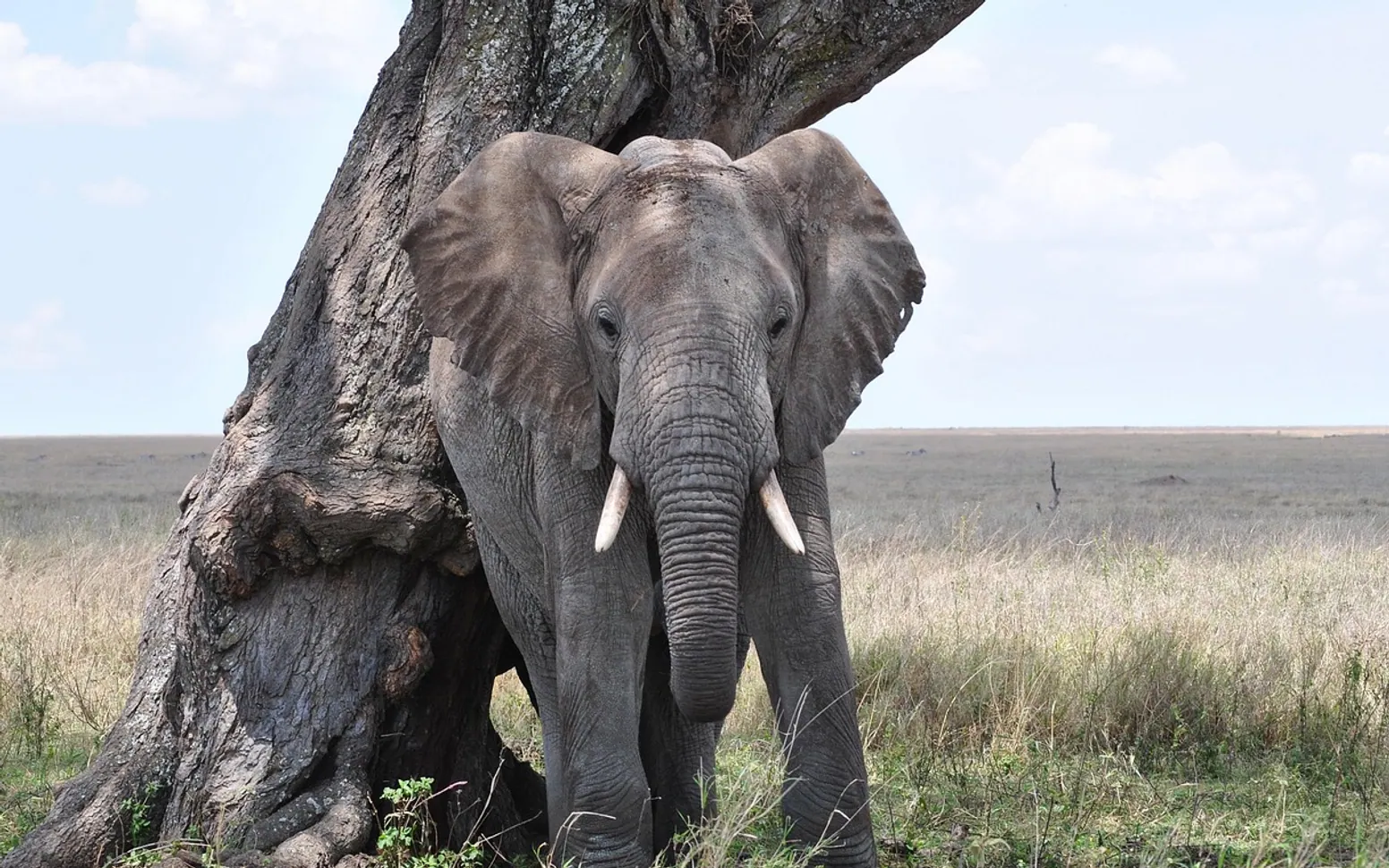
There are really two calendars to think about when planning a high-end safari in northern Tanzania. One is the season in which you travel, which decides what the animals are doing and how the landscape looks. The other is the moment you commit to a booking, which decides which camps, guides and vehicles are still free. Getting both right is what turns a good trip into one with quiet sightings and room to linger.
Reading the seasons
| Period | What it offers | Trade-offs |
|---|---|---|
| Long dry season (roughly June to October) | Thinner vegetation, animals drawn to water, migration herds in the northern Serengeti | Busiest months; the most sought-after camps fill early |
| Calving period (roughly January to March) | Herds on the southern plains, young animals, active predators | Occasional showers; popular with photographers |
| Green seasons (short rains and long rains) | Lush scenery, fewer vehicles, softer rates at many lodges | Some roads and camps close during the heaviest rain |
Exact timings shift from year to year because the herds follow rainfall, not the calendar. A good operator will describe patterns rather than promise a particular river crossing on a particular day.
The dry months: clear views, early planning
When waterholes shrink, wildlife concentrates and the bush opens up, which makes this the classic window for first-time visitors. The northern Serengeti draws crowds for the herds that gather near the Mara River. Because so many travellers aim for these months, the smaller tented camps with a handful of tents are often the first to sell out. Booking well ahead is the simplest way to secure one of them, along with a private vehicle so the day can follow the animals rather than a fixed timetable.
Calving season and the southern plains
Early in the year the action moves to the short-grass plains around Ndutu, on the edge of the Ngorongoro Conservation Area. Newborn wildebeest attract lions, cheetahs and hyenas, and the green backdrop suits photography. Seasonal mobile camps set up in this area for these months, and since they operate only for a limited window, their availability is worth checking early too.
The quieter green season
For travellers who value space over spectacle, the rainy months have real appeal. Rain often arrives in afternoon bursts rather than all day, the light is dramatic and the parks feel calm. Lodges with good decks and guided walks make the most of the slower pace. It is also a sensible time for a longer stay at a single camp rather than a rushed circuit.
Specialists in luxury safari Tanzania itineraries can match these seasonal patterns to particular camps and parks, which helps when deciding between migration drama and a more private, unhurried experience.
Practical booking pointers
- Pick the experience first, such as herds, predators, birdlife or seclusion, then the month.
- Ask whether a private vehicle and guide are included or optional.
- Combine regions, such as the Serengeti with Tarangire or the crater, to balance a trip.
- Check entry, health and vaccination requirements with official sources and a travel clinic before departure.
- Read cancellation terms and consider suitable travel insurance.
No season is wrong in Tanzania; each simply rewards a different kind of traveller.
 How IPTV Delivers More Flexibility for Today’s Viewers
  IPTV Success in France: What’s Driving the Momentum
  Greener Pipes, Lower Bills: How Plumbing Services Support Water and Energy Savings