The Importance of Grip Size: Finding the Perfect Fit
How to measure tennis racket grip size at home, test the fit in your hand, adjust with overgrips, and why the right handle matters most for new players.
3 min
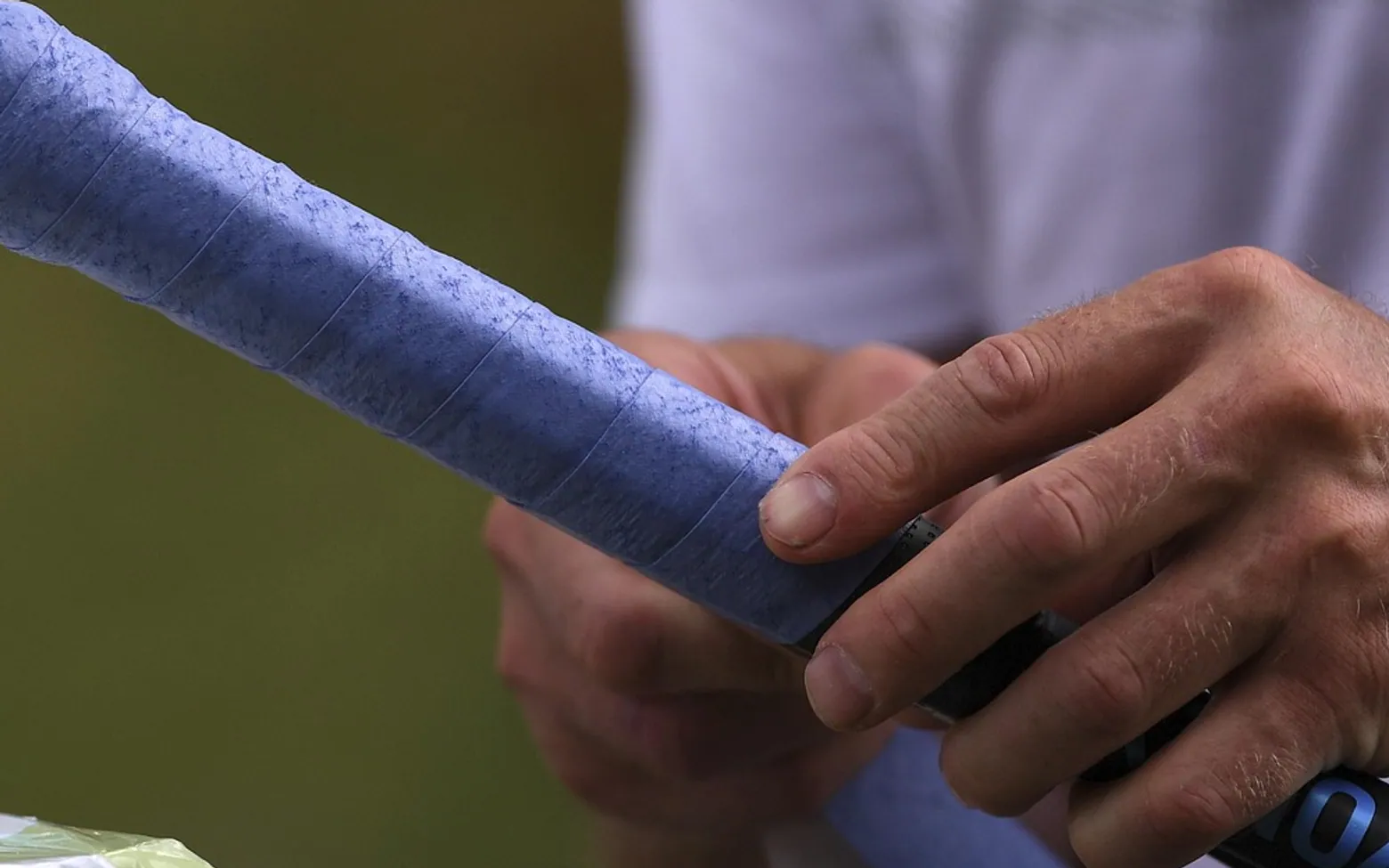
Head size, weight and string pattern get most of the attention when people shop for a tennis racket. The handle rarely gets a second thought, yet it is the only part of the racket that touches your body for the entire match. A grip that is the wrong size quietly changes how you hold, swing and absorb impact, and beginners feel it most because they have not yet developed the technique to compensate.
What goes wrong with a poor fit
When the handle is too thin, the hand has to squeeze harder to stop the racket twisting on off-centre hits. That extra tension travels up the forearm and tires the arm quickly. When it is too thick, the wrist loses freedom, making it harder to generate spin or adjust the racket face late in a stroke. Either way, players often end up changing their technique to cope with the equipment rather than the ball.
A well-sized grip lets the hand stay firm but relaxed, which is exactly what coaches ask for. Persistent pain in the elbow, wrist or shoulder is a separate matter, though, and is worth getting checked by a doctor or physiotherapist rather than blamed on the racket alone.
Measuring at home
- Open your playing hand flat with the fingers together.
- Find the middle of the three main creases across the palm.
- Measure from that crease up to the tip of the ring finger with a ruler.
- Note the result in inches, since most racket grips are still labelled that way.
- If you fall between two sizes, many players start with the smaller one, because building a handle up is much easier than slimming it down.
Sizes at a glance
| Label (inches) | Often suits |
|---|---|
| 4 1/8 (L1) | Smaller hands and many junior players |
| 4 1/4 (L2) | Small to medium adult hands |
| 4 3/8 (L3) | Medium adult hands |
| 4 1/2 (L4) | Larger hands |
| 4 5/8 (L5) | Very large hands |
These are rough guides only. Hand shape, finger length and personal preference all play a part, and labelling can vary slightly between brands.
The finger test and small adjustments
Once you have a racket in hand, hold it with a normal forehand grip. Then try to slip the index finger of your free hand into the space left between your ring finger tip and the heel of the palm. If it fits snugly, the size is about right. A wide gap suggests the handle is too big; no space at all suggests it is too small.
Fine-tuning is simple. An overgrip, the thin wrap many players change regularly, adds a little thickness and improves tack and sweat absorption. A heat-shrink sleeve under the original grip adds more. Reducing a handle is harder and usually means a different racket or a specialist adjustment.
Choosing a first racket
New players benefit from frames that are forgiving and light enough to swing freely, with the correct grip size as a non-negotiable starting point. Buying guides that compare affordable tennis rackets for beginners are a useful way to narrow the field, and many list the grip sizes each model comes in. If possible, try a demo racket at a club or shop before committing, and take a few gentle rallies rather than judging it in the aisle.
Get the handle right, and practice sessions last longer, strokes feel more natural and the learning curve becomes a lot friendlier.
 How IPTV Delivers More Flexibility for Today’s Viewers
 IPTV Success in France: What’s Driving the Momentum
 Greener Pipes, Lower Bills: How Plumbing Services Support Water and Energy Savings