Smart Monitoring That Speeds Water Damage Restoration: From Early Leak Alerts to Safer Reopenings
Leak sensors, guided checklists and moisture data help homes, schools and shops catch water early, steer drying work and reopen rooms with confidence.
2 min
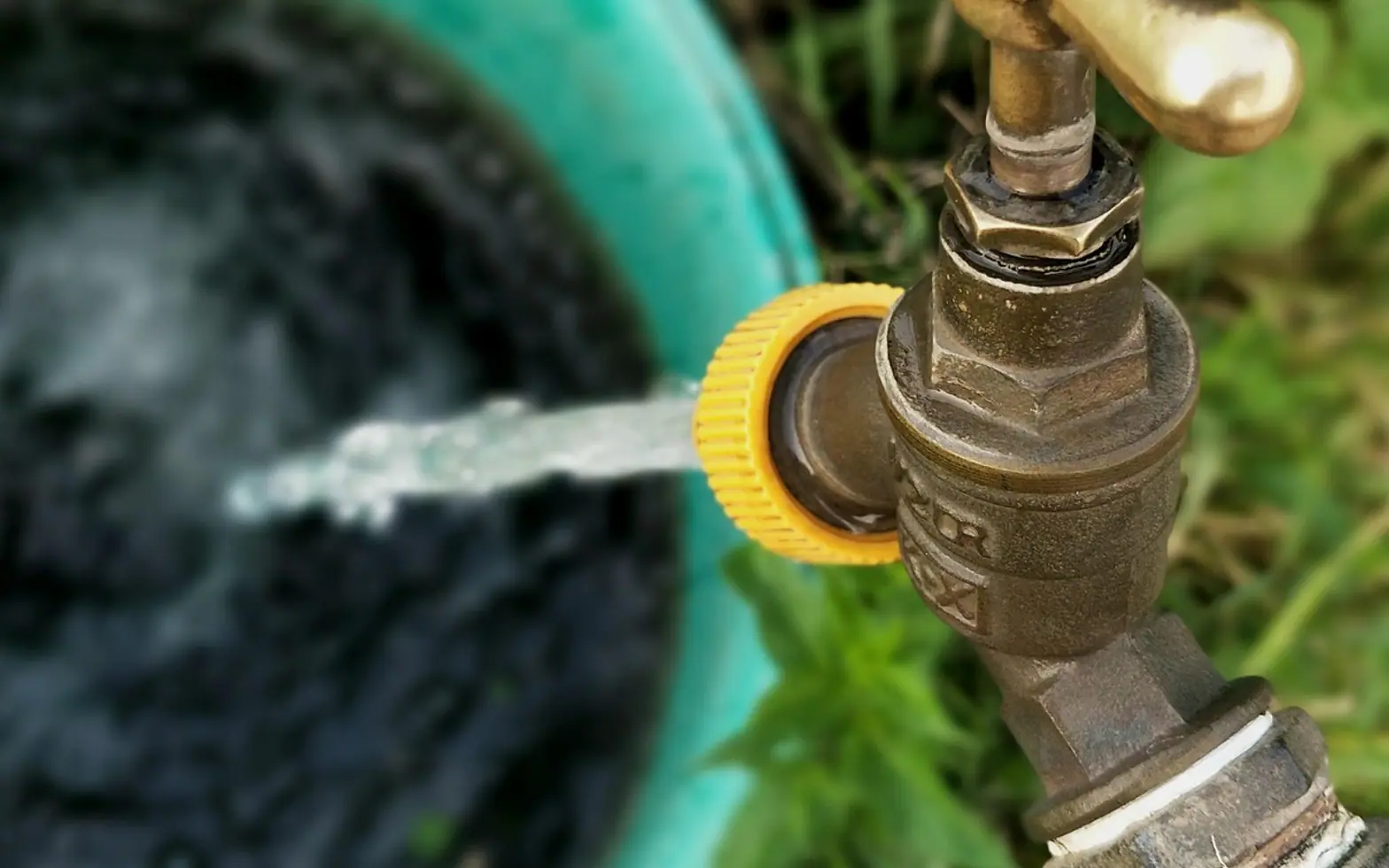
Water damage is mostly a question of time. A slow drip under a sink caught within minutes is a towel and a plumber's visit; the same drip discovered after a long weekend can mean lifted floors, swollen skirting and a room closed for days. Smart monitoring tools are built around that simple fact. Their job is to shrink the gap between the first drop and the first response, then provide clear information for everything that follows.
Sensors as an early warning system
Small battery-powered sensors placed under sinks, beside washing machines and near water heaters can send an alert to a phone as soon as they detect moisture. In larger buildings, sensors may connect to a central dashboard watched by facility staff. The value is in the response they trigger: someone closes a valve, moves stored items off the floor and calls for help while the problem is still contained.
- Place sensors at the lowest point near each appliance or pipe joint.
- Test them regularly and replace batteries on a schedule.
- Make sure alerts reach more than one person, especially outside business hours.
Turning everyday rounds into checks
In schools, clinics and retail spaces, the first person to notice water is often a cleaner, a teacher or a shop assistant, not a specialist. Simple guided checklists, on a tablet or a wall-mounted screen near staff entrances, can walk them through what to do: confirm the alert, check for electrical risks, shut off the supply if safe and record what they see. A clear routine turns a moment of panic into a calm sequence of steps.
Better data for faster drying
Once professionals arrive, they need to know where moisture has spread, including places that look dry on the surface. Readings collected from sensors behind baseboards or in wall cavities can be mapped onto a floor plan, showing which zones are wet and which are already safe. That helps teams position fans and dehumidifiers where they do the most good and avoid unnecessary demolition. Specialists in water damage restoration can use this kind of information to plan extraction and drying more precisely, and to show owners how conditions improve day by day.
Reopening with confidence
Deciding when a room can be used again should rest on measurements, not guesswork. Continued monitoring after drying confirms that moisture levels are back to normal and stay there, which matters for preventing mould and for reassuring staff, pupils or customers. Keeping records of alerts, readings and repairs is also useful when speaking with insurers or planning future maintenance.
Getting started
- List the places in the building where water problems are most likely.
- Start with a few sensors in those spots before expanding.
- Write a one-page response plan and share it with everyone on site.
- Agree in advance which restoration and plumbing contacts to call.
Technology cannot stop every leak, but it can make sure leaks are found quickly and handled well. That combination of early alerts, clear routines and good data is what keeps a small incident from becoming a long and expensive recovery.
 How IPTV Delivers More Flexibility for Today’s Viewers
  IPTV Success in France: What’s Driving the Momentum
  Greener Pipes, Lower Bills: How Plumbing Services Support Water and Energy Savings