Thin Yet Powerful: Vacuum Double Glazing for Retrofits and New Builds
How vacuum double glazing pairs slim glass units with strong insulation, why it suits heritage frames and new builds, and the details installers need to plan.
2 min
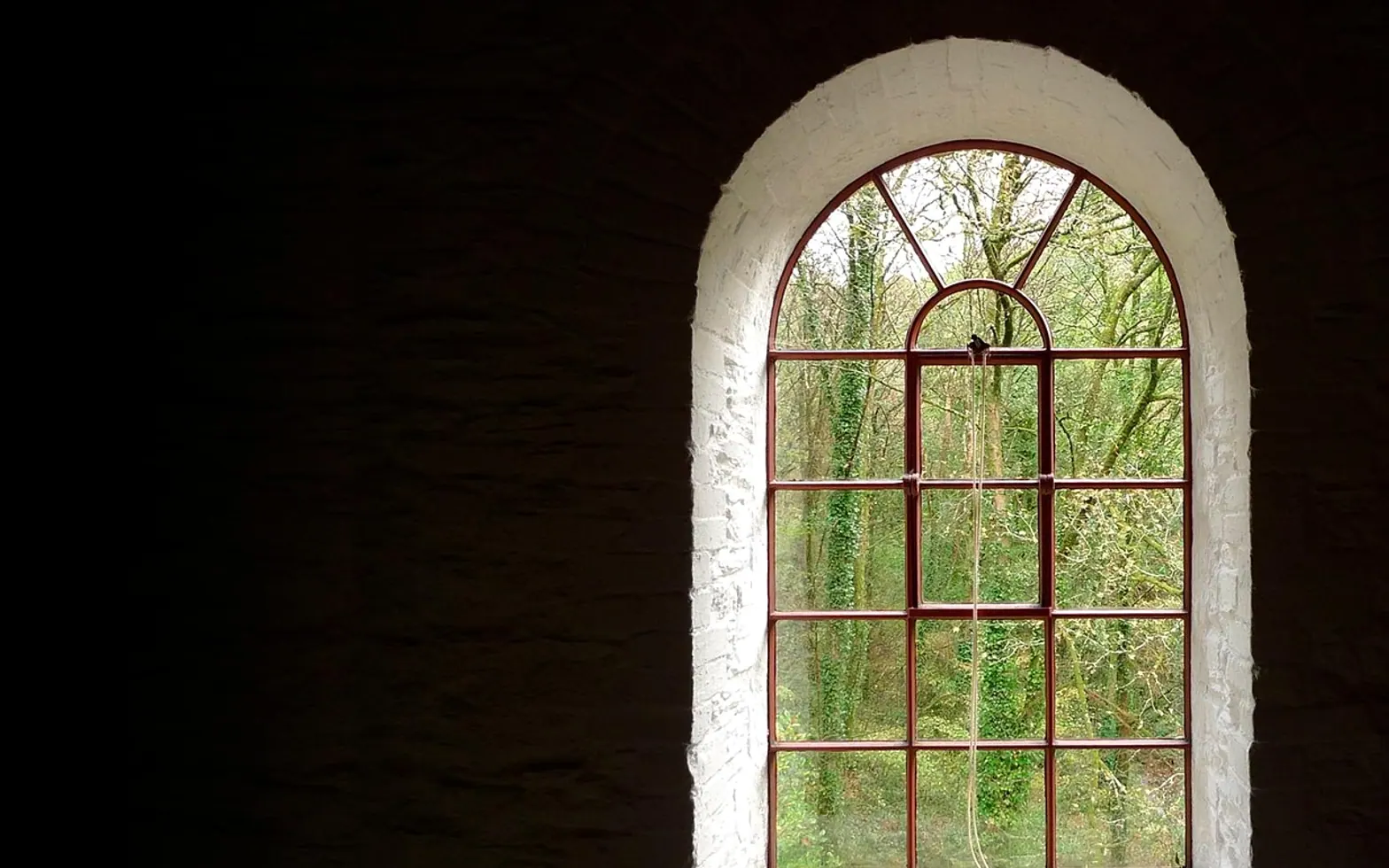
Anyone who has tried to make an old house warmer runs into the same frustration at the windows. Delicate timber sashes and slender glazing bars are much of a period home's character, yet ordinary double-glazed units are often too thick to fit them without replacing the frames entirely. Vacuum glazing offers a way around that dilemma, and it is finding a place in new architecture too.
How the gap does the work
A conventional double-glazed unit traps air or an inert gas between two panes, with a cavity wide enough for that gas to slow heat transfer. Vacuum units take the opposite approach. The two panes are held a tiny distance apart, the air between them is drawn out, and the edges are sealed. With almost nothing in the gap to carry heat, conduction and convection across it fall away, and a unit only a little thicker than a single pane can insulate as well as much bulkier glazing.
To stop atmospheric pressure pushing the panes together, a grid of very small support pillars sits inside the gap. Low-emissivity coatings on the glass reduce radiant heat loss further.
Why it suits older buildings
The slim profile is the headline advantage for retrofits. Units can often go into existing rebates, so original frames, mouldings and glazing bars stay in place and the outside of the building looks almost unchanged. That matters in conservation areas, where the appearance of windows is closely watched. Owners of listed or protected buildings should still speak to the local conservation officer before changing any glazing.
Manufacturers of Vacuum double glazing position the product for exactly this kind of project, as well as for new builds where designers want large, light frames and strong thermal performance in the same window.
What people usually ask
Are the pillars visible?
Up close, yes, as a faint pattern of small dots. From normal viewing distances, and especially against a busy outdoor view, most people stop noticing them.
Does it block noise?
The narrow gap is excellent for heat but less effective for sound than a wide cavity. On busy streets, pairing a vacuum unit with a laminated pane or secondary layer improves acoustic comfort.
Does it look different?
With neutral coatings, the glass stays clear and close in colour to standard glazing. The sealed edge can be slightly wider than a single pane's, so beads and stops need to cover it neatly.
Details for the install team
- Handle units flat and avoid bending, which could stress the edge seal or bring the panes into contact.
- Protect the small sealed evacuation point during handling and glazing.
- Use sealants and setting blocks that are compatible with the manufacturer's edge materials.
- Check that the existing frames are sound; good glass will not fix rotten timber or poor draught-proofing.
- Follow the supplier's installation guidance, which may differ from habits built up with standard units.
For new builds, the same qualities open up design freedom: slimmer frames, more daylight and less weight on hinges and sliders. For old houses, the appeal is simpler. Rooms can get warmer and quieter without losing the windows that made the building worth restoring.
 How IPTV Delivers More Flexibility for Today’s Viewers
  IPTV Success in France: What’s Driving the Momentum
  Greener Pipes, Lower Bills: How Plumbing Services Support Water and Energy Savings