What Defines a Great Ramen Restaurant: Broth Discipline and Speed Without Rush
The habits that separate a great ramen shop from an average one: careful stock, precise seasoning, timed noodles, a tight menu and fast service that stays calm.
3 min
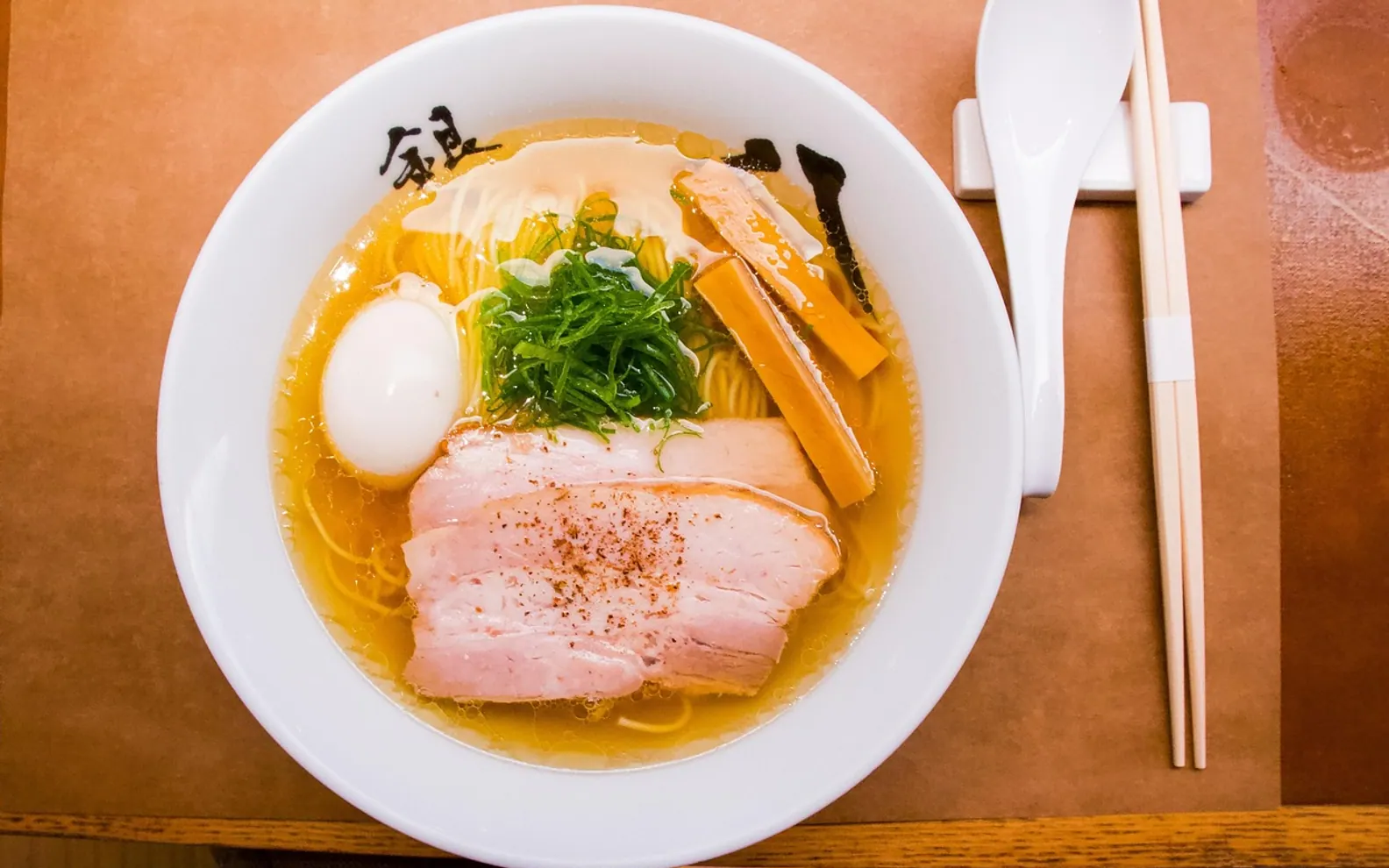
A good ramen bowl looks simple on the table: broth, noodles, a few toppings, steam. Getting it there, quickly and identically for every customer during a lunchtime rush, takes a level of organisation more often associated with a watchmaker than a noodle bar. Travellers who seek out ramen in a new city soon learn to spot the signs of a kitchen that has that organisation, and a few of them are worth knowing before you queue.
The broth starts the night before
Stock is the backbone, and it is usually made over many hours. Pork bones cooked hard produce the cloudy, rich style; chicken, vegetables and aromatics simmered gently give a lighter, clearer base. Either way, the skill lies in control: steady heat, regular skimming, the right balance of water to bones, and frequent tasting. Kitchens that take this seriously often keep notes so today's batch matches yesterday's. Regulars notice when it does not.
Assembly in a fixed order
Watch the counter in a busy shop and the routine becomes clear. Seasoning goes into the empty bowl first, a measured spoon of tare based on soy, salt or miso. Hot stock follows, then a little aromatic oil. Building the bowl this way gives cooks precise control over salt and flavour, and it lets one pot of stock serve several different bowls on the menu.
Noodles run on their own clock. Portions are weighed ahead of time, dropped into boiling water when an order comes in and cooked for a set number of seconds depending on whether the customer asked for firm, regular or soft. Timing the noodles to land in the bowl at the same moment as the broth is what keeps their texture springy.
Why the best menus are short
A long ramen menu is often a warning sign rather than a bonus. Shops that focus on a few core bowls, a couple of sides and perhaps a seasonal special can keep every station sharp and waste low. Many well-run Japanese kitchens follow the same philosophy of a focused offer done carefully; https://www.omoidesushiphoenix.com/ is one example of a restaurant built around a clear, curated menu that lets the cooking speak for itself.
Layout supports the focus. In a good ramen kitchen the stockpot, seasoning station, noodle boilers and pass are a step apart, and some shops use ticket machines at the door so the counter staff can concentrate on cooking.
Reading the room as a diner
- Know the house style. Miso shops lean toward thick, wavy noodles and hearty toppings; shoyu specialists often serve clear broth and straight noodles; tonkotsu houses are all about the creamy pork base.
- Ask about firmness. If the menu offers a choice, firm noodles hold up better if you eat slowly.
- Check the dietary notes. Many shops now offer vegetable or seafood broths and mark allergens clearly; staff can point out the lightest or spiciest option.
- Eat promptly. Ramen is at its best in the first few minutes, which is part of why tables turn quickly.
Fast, but never hurried
The finest shops manage a paradox. Bowls arrive within minutes and the queue keeps moving, yet guests do not feel pushed out. Friendly greetings, honest explanations and a calm atmosphere do as much for the experience as the broth. When speed and care sit together like that, a quick lunch becomes a meal people plan their trip around.
 How IPTV Delivers More Flexibility for Today’s Viewers
  IPTV Success in France: What’s Driving the Momentum
  Greener Pipes, Lower Bills: How Plumbing Services Support Water and Energy Savings