Leaf Mold: Turning Fallen Leaves Into a Free Soil Conditioner
How to make leaf mold from autumn leaves: which leaves to use, bags, bins and piles, how long it takes and the best ways to use it in the garden.
4 min

Leaf mold is decomposed autumn leaves: a dark, crumbly, sweet-smelling material that improves soil structure and helps it hold water. To make it, collect fallen leaves, wet them, pack them into a bag, cage or corner of the garden, and leave them alone for one to two years. Fungi do almost all the work.
It is one of the simplest ways to turn a seasonal chore into something useful. Instead of bagging leaves for collection, you keep a resource that many gardeners would otherwise buy in the form of bark, peat-free conditioners or mulch.
Leaf mold vs compost
| Leaf mold | Garden compost | |
|---|---|---|
| Ingredients | Leaves only | Mixed kitchen and garden waste |
| Main decomposers | Mostly fungi, working slowly and cool | Mostly bacteria, often warm or hot |
| Time | About one to two years | A few months to a year |
| Nutrients | Low; it is a conditioner rather than a feed | Moderate; adds nutrients as well as structure |
| Main strength | Water retention and crumbly texture | General soil fertility |
The two complement each other. Compost feeds the soil; leaf mold gives it the open, spongy texture that roots and soil life enjoy.
Which leaves to use
Almost any deciduous leaves will rot down eventually, but they behave differently.
- Quick to break down: thin, soft leaves from trees such as birch, cherry, hornbeam and many maples.
- Slower: tougher leaves such as oak, beech and sweet chestnut. They make excellent leaf mold but need longer, or shredding first.
- Keep separate or use sparingly: evergreen leaves like holly and laurel, and conifer needles. Pine needles can be rotted on their own into an acidic mix that suits acid-loving plants.
- Leave out: leaves from busy roadsides, which can carry litter and grime, and leaves from diseased plants. Many gardeners also keep black walnut leaves out of beds for young plants because of a natural compound that can hold back the growth of some species.
Three ways to make it
1. In bags
Fill sturdy plastic sacks or old compost bags with damp leaves, tie the top loosely and punch a few holes in the sides and base for air and drainage. Stack them behind a shed or under a hedge. This is the tidiest method for small gardens and balconies.
2. In a wire cage
Drive four posts into the ground and wrap chicken wire or mesh around them to make an open bin. Pile leaves in, tread them down and water them if they are dry. A cage holds a large volume and lets air in from every side.
3. In a simple heap
In a sheltered corner where the wind will not scatter them, a plain pile works too. Cover it with an old sheet of mesh or a few branches to keep it in place.
Step by step
- Gather leaves after they fall, ideally when they are damp rather than bone dry.
- Shred if you can. Running a lawnmower over a layer of leaves on the grass chops them up and speeds decay considerably.
- Wet them thoroughly. Dry leaves barely rot; they should feel like a wrung-out sponge.
- Pack and leave. Fill your bag, cage or heap, pressing the leaves down.
- Check occasionally. In dry spells, add water. Turning is optional.
- Harvest. After about a year you have a rough product useful as mulch. After two years it is dark, fine and crumbly.
How to use leaf mold
- Mulch: spread a layer around shrubs, perennials and vegetables to keep moisture in and suppress weeds. It works well over garlic beds and other crops that sit in the ground through winter, as described in our garlic planting guide.
- Soil improver: dig it into heavy clay to open it up or into sandy soil to help it hold water. New beds benefit most, including those you are clearing for fall vegetables.
- Seed and potting mixes: well-rotted, sieved leaf mold can be blended with compost and grit for homemade mixes. It also makes a natural-looking top layer in open terrariums and pots.
- Lawn top dressing: fine, two-year-old leaf mold can be brushed into a lawn in autumn to improve the soil surface.
Composting leaves the faster way
If waiting two years sounds too long, leaves can also go into an ordinary compost bin. They count as "brown" carbon-rich material, so mix them with "green" nitrogen-rich ingredients such as grass clippings and vegetable scraps. A bag of stored leaves next to the compost bin is useful through the year for balancing wet kitchen waste.
Common questions
Why are my leaves not breaking down?
The usual causes are dryness, very tough leaves or a pile so loose that it dries out in the wind. Add water, press the leaves down and shred the next batch.
Does leaf mold smell?
Good leaf mold smells like a woodland floor. A sour or rotten smell suggests the leaves are waterlogged with no air; mix in drier leaves or add more holes to the bags.
Is it safe to use leaves from the street?
Leaves from quiet residential streets are generally fine. Those from heavily trafficked roads are best avoided for food crops.
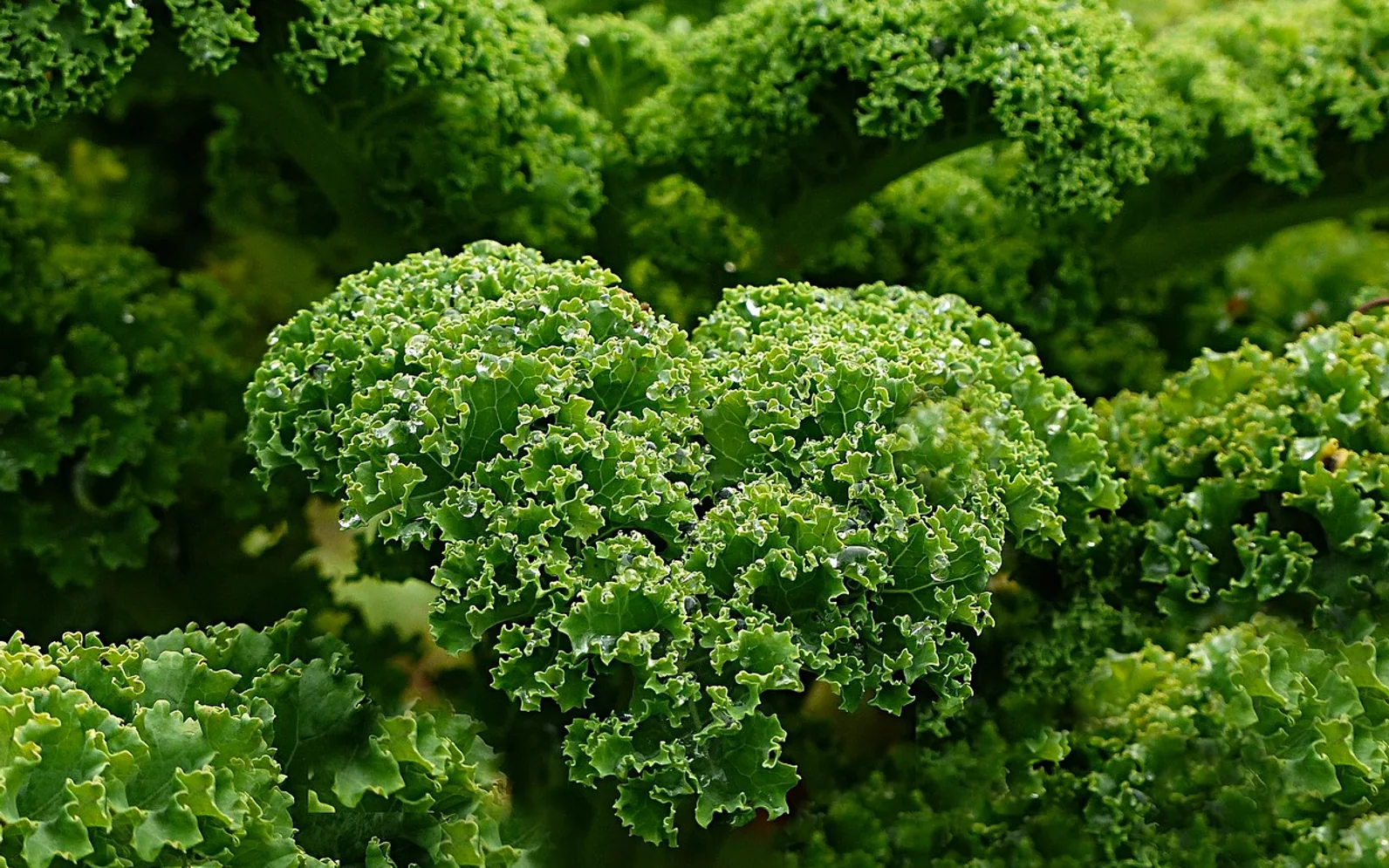 What Vegetables to Plant in Fall: Quick Crops and Overwinterers
 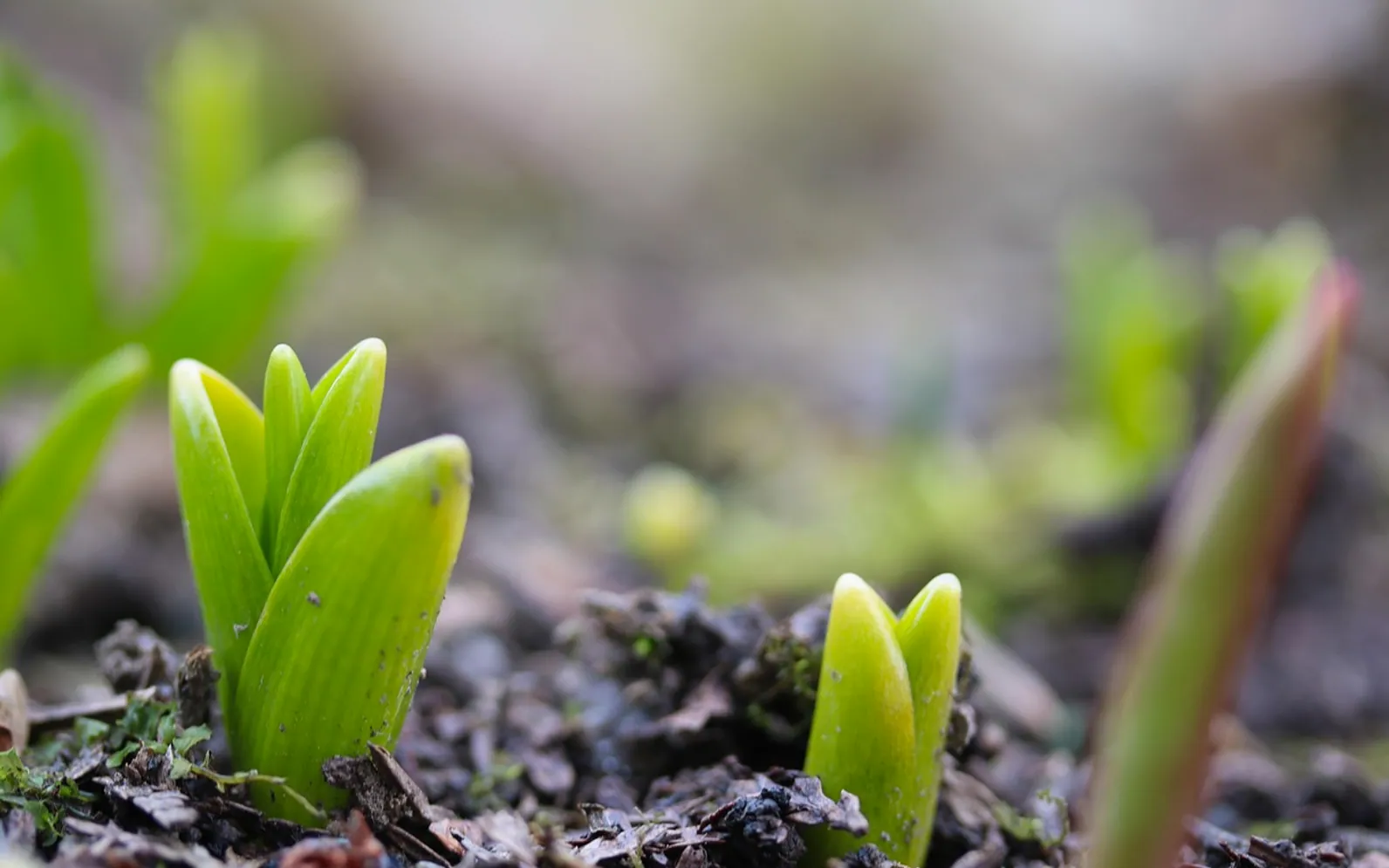 When to Plant Tulip Bulbs (and How Deep to Set Them)
 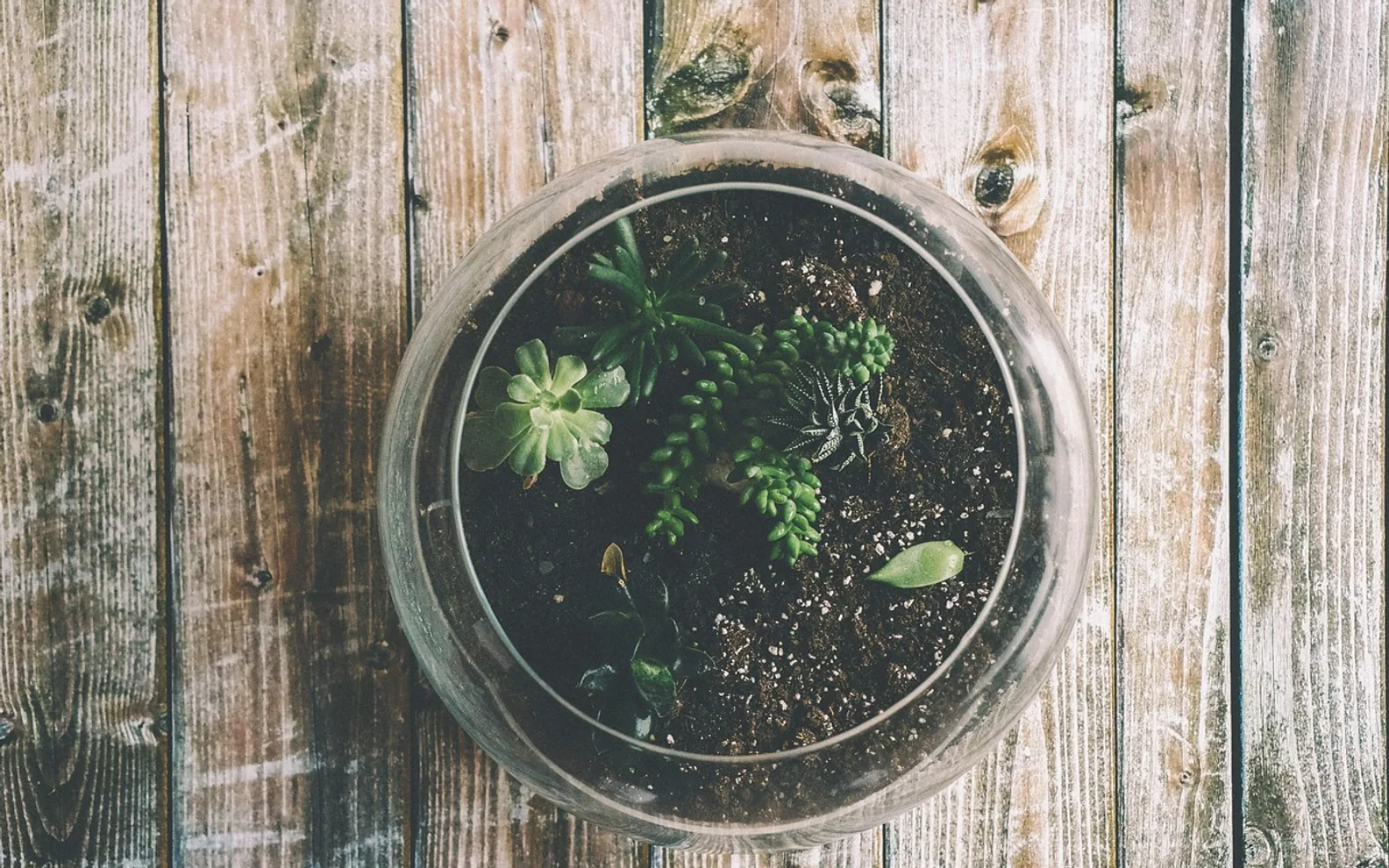 How to Make a Terrarium