The Benefits of Hiring Professional Bathroom Fitters
What professional bathroom fitters bring to a renovation, from hidden plumbing and waterproofing to scheduling trades, plus how to brief a firm well.
2 min
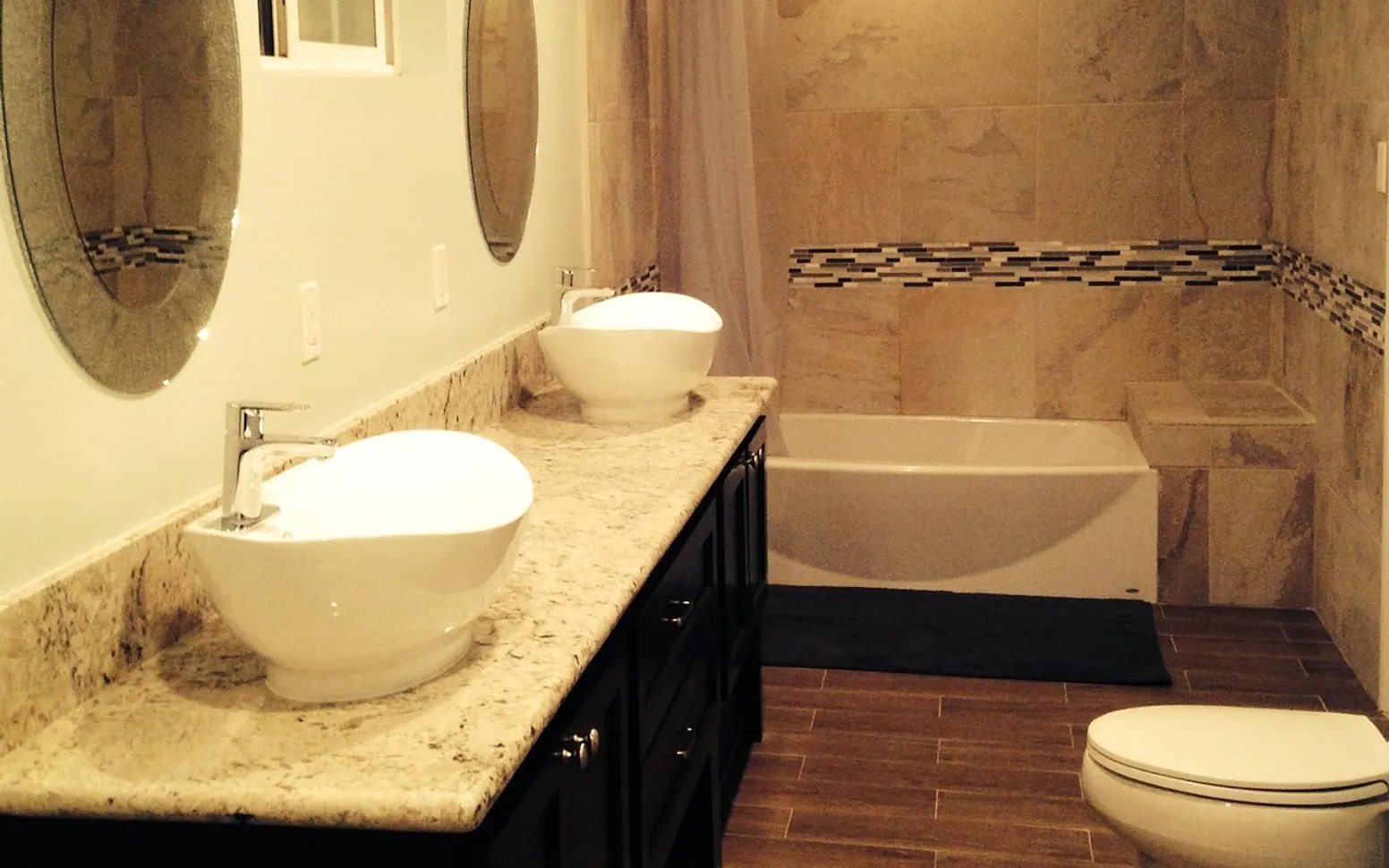
Bathroom makeovers are a staple of home television for a reason: the before-and-after is dramatic, and the room is small enough that a transformation seems quick. What the edited version leaves out is how many separate skills are packed into a few square metres. Water supply, waste pipes, electrics near water, ventilation, waterproofing, tiling and carpentry all have to come together in the right order. That concentration of trades is the strongest argument for handing the job to experienced fitters.
The parts nobody sees
Most of what makes a bathroom last sits behind the tiles. Pipes need the right falls so waste drains properly. Shower areas need a waterproof layer that is continuous at corners and around fittings. Extractor fans have to move moist air out rather than into a loft. Lighting and any heated rails must follow the electrical rules for wet rooms. Fitters who do this every week know where problems usually start and build the job to avoid them.
They are also used to opening up a floor and finding surprises, such as old leaks, rotten boards or pipework that does not match any drawing. Dealing with that calmly, and explaining the options clearly, keeps a project moving instead of stalling for days.
How a typical job runs
- Survey and design. Measurements, a layout that suits the room and the way the household uses it, and a list of fixtures.
- Strip-out. Old suite and finishes removed, with waste taken away.
- First fix. New pipes, cables and any boxing or stud walls go in before surfaces are closed up.
- Waterproofing and boarding. Walls and floors prepared to take tiles in wet zones.
- Tiling and finishes. Tiles, grout, sealant and paint.
- Second fix and handover. Basin, toilet, shower, taps and lights connected, tested and explained.
A single team coordinating those stages means the householder is not ringing a plumber, an electrician and a tiler separately and hoping their diaries line up.
Time, money and fewer do-overs
Doing a bathroom yourself can look cheaper on paper, but mistakes in this room tend to show up later as stains on the ceiling below or tiles lifting in the shower. Fixing those means taking finished work apart. Professionals also tend to have trade accounts with suppliers, which can help with availability and getting materials delivered when the schedule needs them. The finished room is likely to look sharper as well, which matters if the property goes on the market one day.
In the capital, homeowners comparing bathroom companies London can look at firms that cover the whole process, from design through fitting, which keeps responsibility for the result in one place.
Getting the brief right
- Collect a few photos of bathrooms you like and note what appeals in each.
- Decide early between a bath, a walk-in shower or both, since it drives the layout.
- Ask how waterproofing is handled and what guarantee covers the workmanship.
- Agree on how changes to the plan are priced before work starts.
- Check whether building control or a landlord or freeholder needs to be informed.
A clear brief and a capable team turn one of the most disruptive home projects into something closer to the tidy montage on screen.
 How to Style a Bookshelf Without Making It Look Cluttered
 Accent Wall Ideas That Suit Real Rooms
 How to Choose Paint Colors for Any Room