Accent Wall Ideas That Suit Real Rooms
Accent wall ideas for living rooms, bedrooms and kitchens: how to pick the right wall, which finishes suit renters, and mistakes that look off.
4 min

An accent wall is a single wall finished differently from the others in a room, with a bolder colour, a pattern or a texture, so that it draws the eye and anchors the space. Done well, it makes a room feel designed rather than merely painted. Done badly, it looks like the decorator ran out of time. The difference usually comes down to choosing the right wall and a finish that fits the rest of the room.
Choosing which wall
The best accent wall is usually one that already wants attention.
- The wall you see first when you walk into the room.
- The wall behind the main piece of furniture: the sofa in a living room, the headboard in a bedroom, the table in a dining room.
- A wall with a natural feature, such as a fireplace, an alcove or a chimney breast.
- A solid stretch of wall without several doors, radiators or windows cutting it up.
Furniture placement matters here, because the accent wall and the main seating should work together. The guidance in how to arrange furniture in a living room helps decide where the focal point should be before any paint is bought.
Finishes compared
| Finish | Effort | Renter-friendly? | Best for |
|---|---|---|---|
| Solid paint colour | Low | Often, with permission | A quick change; easy to repaint later |
| Painted shapes, arches or half walls | Low to medium | Often, with permission | Playful rooms, children's rooms, defining a zone |
| Wallpaper | Medium | Peel-and-stick versions are | Pattern and personality |
| Wall mural | Medium | Removable versions are | Large-scale scenery or art |
| Wood panelling or slats | Medium to high | Rarely | Warmth, texture, acoustic softening |
| Picture-frame moulding | Medium | Rarely | Traditional or period-style rooms |
| Limewash or textured paint | Medium | Sometimes | Soft, cloudy depth |
| Tile | High | No | Kitchens, bathrooms, behind a fireplace |
Accent wall ideas by room
Living room
A deep colour behind the sofa or around a fireplace gives the room a backdrop. Vertical wooden slats suit a wall with a TV, as they add warmth and can help soften echo. If you like pattern on a grand scale, a mural is the boldest option; the pillar guide on choosing the perfect wall mural covers scale and subject.
Bedroom
The headboard wall is the natural choice. Calm, darker shades can make the room feel enclosed and restful, and a painted rectangle or arch behind the bed can act as a headboard on its own. Panelling up to two-thirds of the wall, with paint above, looks tailored without overwhelming the room.
Kitchen and dining room
Tiles behind the cooker or sink double as a practical splashback. In a dining room, wallpaper on the wall the table faces adds interest at eye level for seated guests. Lighting matters here too; a striking pendant or a modern chandelier can tie into the accent colour.
Home office and hallways
A colour block behind the desk gives video calls a tidy backdrop. In narrow hallways, accenting the far end wall draws the eye forward and can make the corridor feel shorter.
The fifth wall
The ceiling counts too. Painting it a soft colour or papering it can work beautifully in bedrooms and small rooms where wall space is broken up by furniture.
Picking a colour that works
- Start from the room's existing palette: a rug, artwork or upholstery fabric often contains the right shade.
- Check undertones. A warm accent beside cool walls can clash, and the reverse is just as awkward. The process in how to choose paint colors for any room applies directly.
- Test large samples on the actual wall and look at them in morning, afternoon and evening light.
- Consider going deeper rather than brighter. A darker version of the main wall colour is an easy, harmonious accent.
Mistakes to avoid
- Picking the wrong wall, such as one broken up by doors, which turns the accent into a jumble.
- Too many accent walls. One per room is usually enough; two competing walls cancel each other out.
- Ignoring the edges. Paint lines at corners and ceilings need to be crisp, so use good tape and take time over them.
- Forgetting the furniture. A busy pattern behind a busy bookcase can overwhelm; let one of them be calm.
- Choosing a trend you will tire of. If in doubt, start with paint, which is the easiest finish to change.
Quick answers
Should an accent wall be darker or lighter?
Usually darker or more saturated than the other walls, since it needs to stand out. A lighter accent can work in a dark room, but it tends to read as a mistake rather than a feature.
Are accent walls still in style?
The single bright wall has given way to more considered versions: texture, panelling, tonal colour and murals. The principle of creating one focal point remains a reliable design tool.
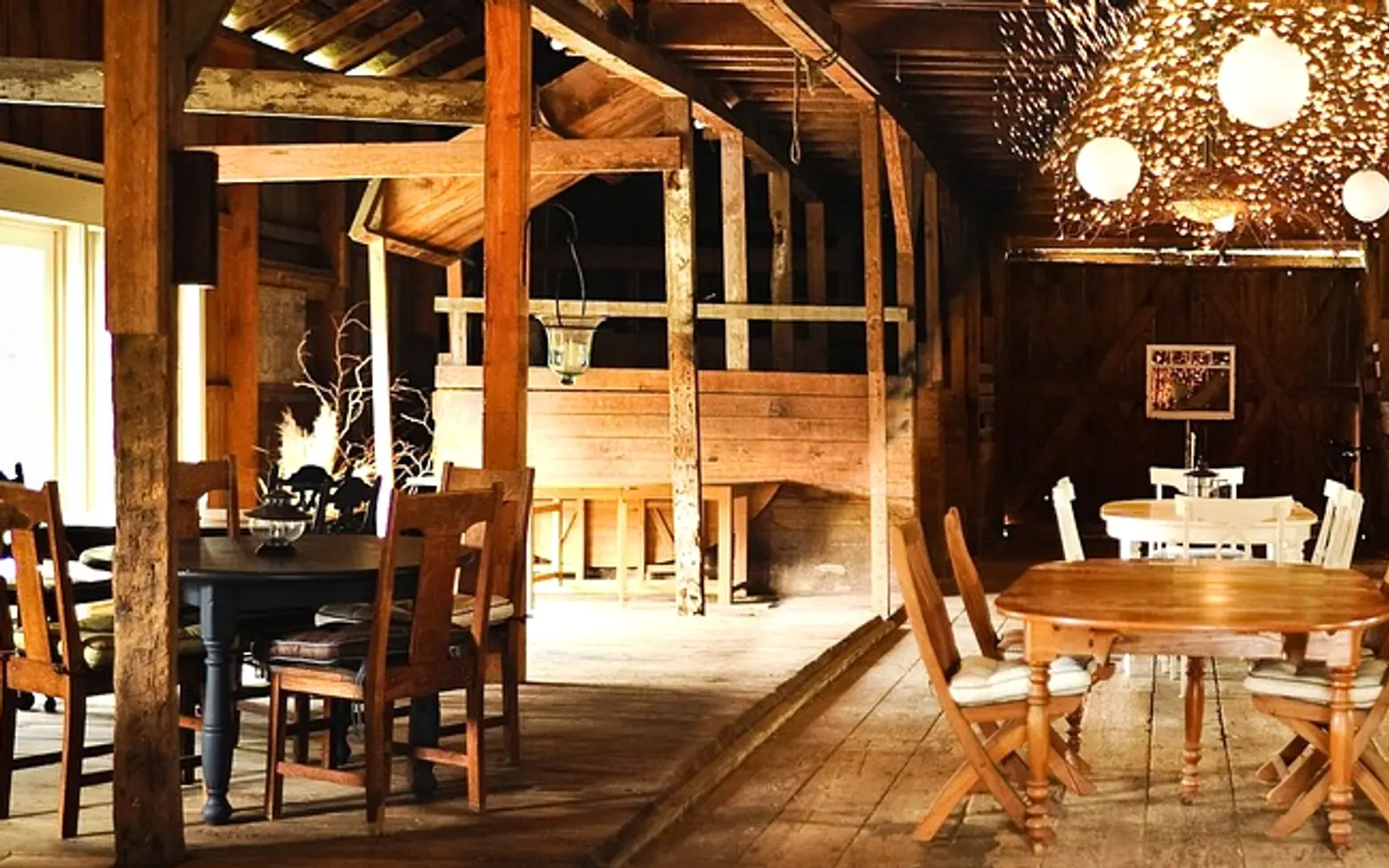 How to Arrange Furniture in a Living Room
  Creative Concepts to Make Your Wedding Reception Stand Out
  Architectural Accents: Enhancing Your Home’s Curb Appeal with Wall Lights